Passenger Queuing Creating Win-Win Solutions
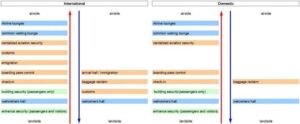
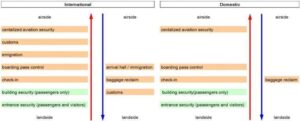
This white paper from Airport Consultancy International showcases surveys and trends that highlight the benefits of increased / decreased passenger queing times at airports.
Airport Consultancy International (ACI) provides airport consultancy, planning, design and engineering services in collaboration with its network of advisors, specialists, economists, airport architects, engineers and builders.

You have successfully submitted your enquiry. Someone from our company will respond ASAP
Airport Consultancy International (ACI) provides airport consultancy, planning, design and engineering services in collaboration with its network of advisors, specialists, economists, airport architects, engineers and builders.
ACI offers solutions in accordance with clients’ airport requirements, adds maximum value to businesses at a competitive cost, and aims to build long-term partnerships with its high-quality services and reliable products.
The company provides consultancy services to airport and civil aviation authorities, concessionaires and international development banks.
ACI’s airport design consultants perform feasibility studies, as well as re-construction and development plan reviews to support capital investment decision makers.
Master plan reviews and updates are also offered to support a client’s mission statement and strategic airport development planning.
ACI carries out studies covering a range of areas, including airport due diligence, re-construction and development, airport infrastructure mitigation and capacity enhancement, terminal area and cargo city development, multimodal transport hubs, construction phasing, and public-private partnership (PPP) technical structuring.
Programming, airport design and engineering services are offered to stakeholders for the conception and elaboration of airside, terminal and landside operations and utility buildings.
ACI provides dedicated consultancy services to organisations running small to medium-sized airports.
The company has introduced an IT-based, state-of-the-art airport consultancy concept, known as the airport terminal monitor (ATM).
Delivering instant results, this valuable interactive tool has been developed for the aviation industry using the in-house expertise embedded within airport organisations.
ACI offers master planning services for small and medium-sized airports.
The services consist of updates and reviews to assess airport capacity and operations performance, and reserve land for unrestrictive expansion of airport infrastructure, operations and facilities, utilities and commercial development.
Master plan studies are also performed to anticipate traffic forecasts in the short, medium, and long-term.
Airport due diligence studies assess the current state and capacity of airports’ infra-structure, facilities and utilities for airport development and investment plans.
ACI also performs re-construction and development studies to fuel investment programmes that support the upgrade of existing airport applications, in compliance with international standards.
Airport infrastructure mitigation studies reveal bottlenecks in departure and arrival flows, as well as suggest temporary and cost-effective measures to enhance the handling capacity of the weakest links to secure ongoing operations.
Passenger terminal and cargo handling area development studies are sub-studies detailing the related facilities, including landside and airside development.
Multimodal transport hub studies connect the pick-up and drop-off points of different modes of public and private transport offered to and from the airport, such as cars, buses, taxis, and trains.
Airport construction phasing studies show intermediate measures during construction in order to secure handling capacity and ongoing airport operations.
Airport PPP technical structuring studies include the delivery of a current state report, development planning, construction phasing and capital expenditure.
Facility sizing is offered for all types and sizes of terminals, assessing the total gross floor area, a detailed functional breakdown of its parts and the expected footprint.
Deliverables can be used for capital expenditure (CAPEX) projections fuelling airport expansion investment plans, and can be used as a solid basis for terminal programming.
ACI offers programming, design and engineering services for a range of facilities, such as passenger and cargo terminals, rescue and fire fighting (RFF) and air traffic control (ATC) towers.
It also supports facilities for airport and ground support equipment (GSE) maintenance, airport security, airport authority, airline crew, in-flight catering, and aircraft maintenance and handling.
ACI provides system interface management services, which manage the coherence and consistency of airport development design programmes and deliverables executed by different consultancies for airfield, airport terminal, and landside facilities.
ACI has delivered services at 56 airports in 28 countries.
The company offers a high level of interdisciplinary understanding of airport development, covering landside, terminal, and airside facilities.
ACI aims to provide solutions that maximise revenues for airports and airlines, as well as a seamless travel experience for passengers.
This white paper from Airport Consultancy International showcases surveys and trends that highlight the benefits of increased / decreased passenger queing times at airports.
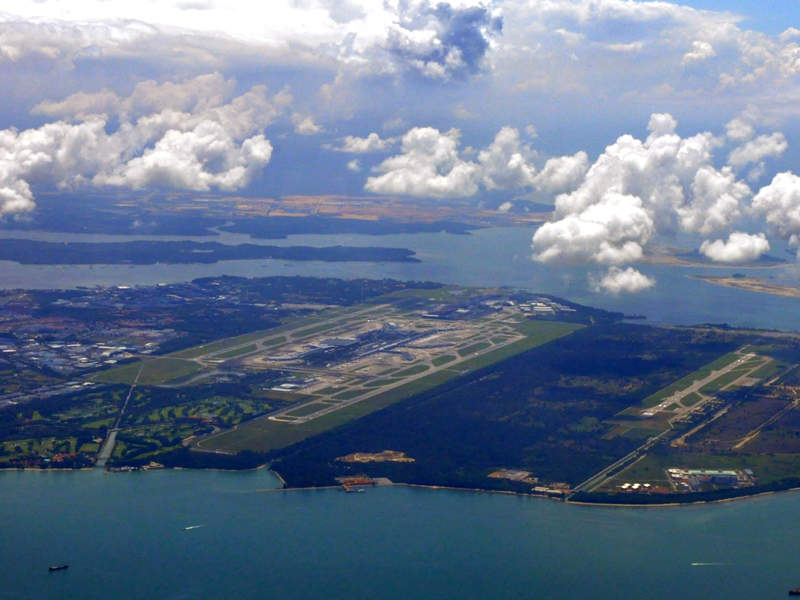
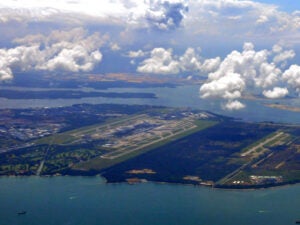
Changi International Airport’s Terminal 5 will be able to handle 50 million passengers per year in its initial phase of operation.
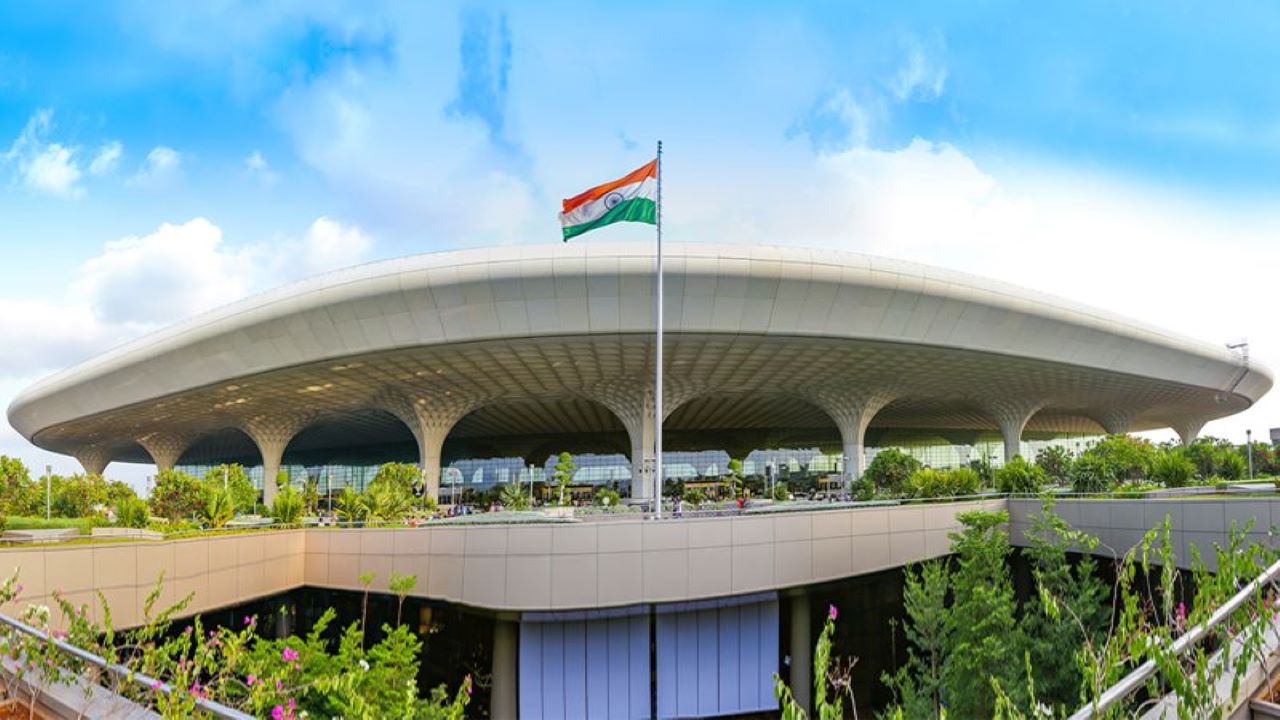
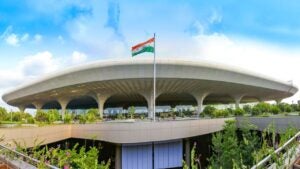
Navi Mumbai International Airport (NMIA), which is being developed near Panvel, will be the second airport in Mumbai.
Salalah International Airport is the second largest airport in the Sultanate of Oman. It started operations in 1977 as a domestic airport and turned international in 2004.
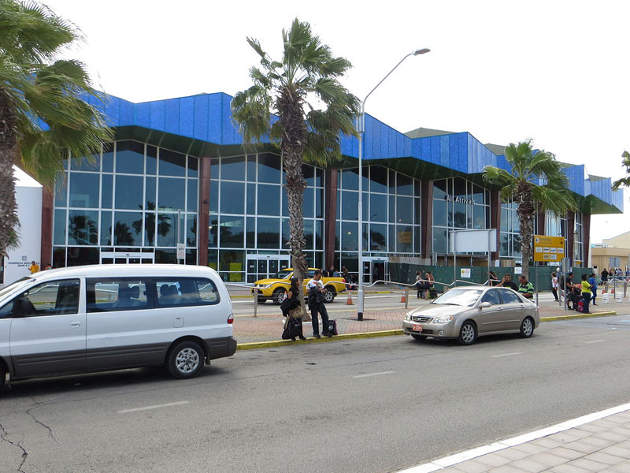
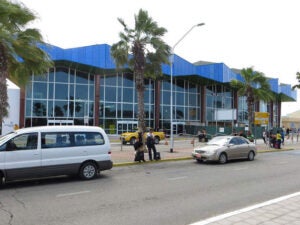
Owned and operated by Aruba Airport Authority (AAA), the Queen Beatrix International Airport is the only airport serving the Caribbean island of Aruba.
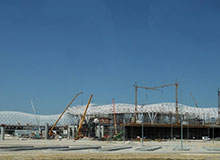
A new state-of-the-art passenger terminal was constructed at Zagreb International Airport, Croatia, to replace the existing terminal.

Los Angeles International Airport (LAX), one of the busiest airports in the US, is set to undergo a multi-billion modernisation programme that will enhance its landside accessibility.

Muscat International Airport (formerly Seeb International Airport) is located approximately 32km west of Muscat, the capital of the Sultanate of Oman.
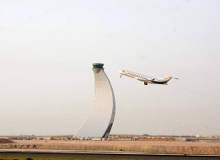
Abu Dhabi International Airport, which is located in the emirate of Abu Dhabi, UAE, completed expansion projects in 2002.
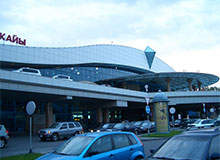
Almaty International Airport, built in 1935, is the biggest airport in Kazakhstan. The airport is approximately 18km away from Almaty, the country's largest city and commercial capital.

Bamako-Senou international airport is the biggest airport in Mali. It is located 13km south of Bamako, the capital city. The airport was opened in 1974 and is operated by Aéroports du Mali (ADM).
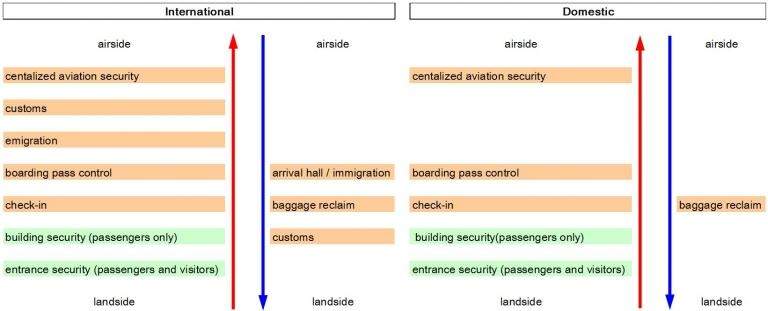
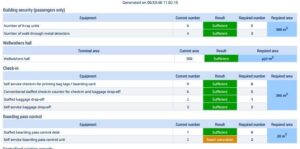
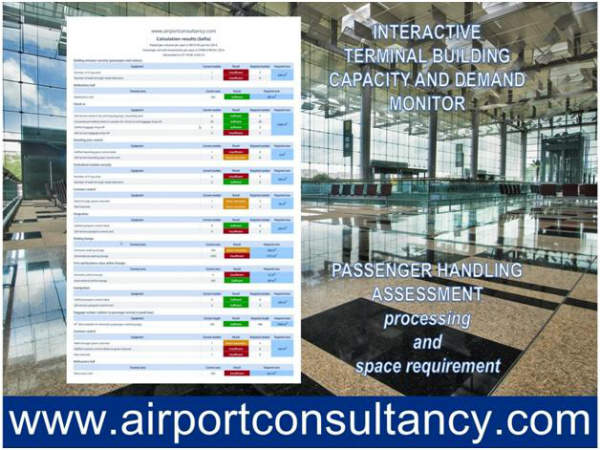
ACI's Module M1 scan monitors an airport's passenger terminal capacity to reveal the anticipated quality of departure and arrival chains, as well as identify saturation, surplus and insufficient capacity of individual handling areas. Clients can retrieve, download and print their results online.

Module M2 is a comprehensive service that estimates the space requirements of passenger handling areas, as well as airport and airline lounges.

Similar to M2, the Module 3 scan estimates space requirements at airports. However it also allows clients to modify calculation parameters within a certain range to match the airport's unique character, operations or business model.