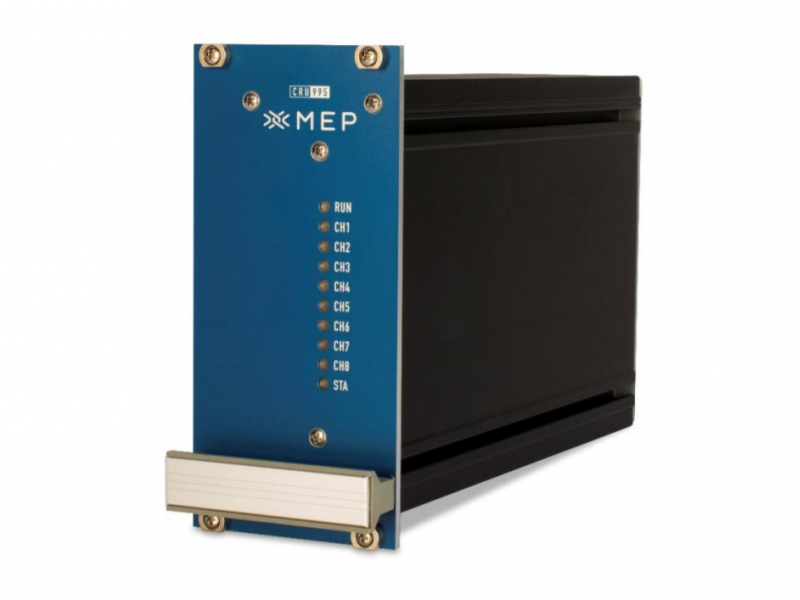
MEP air traffic Voice Communications Systems
MEP is present in many countries around the world with an installed base of Voice Communication Systems which are used 24/7 in air traffic and maritime traffic control.

MEP develops and supplies voice communication systems for critical applications in the air traffic and maritime sectors.

You have successfully submitted your enquiry. Someone from our company will respond ASAP
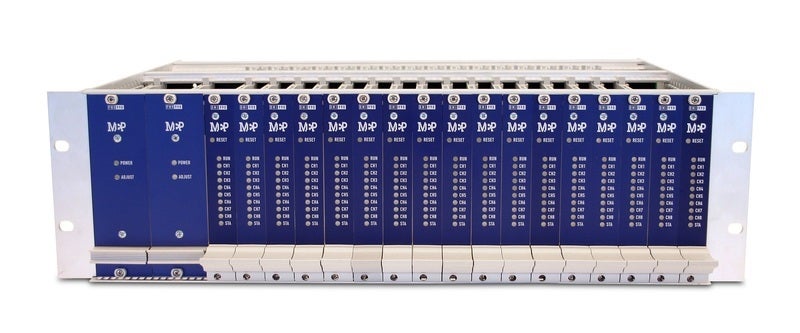
MEP offers a range of voice communication systems (VCS) for the aviation industry. Its products are used by air traffic controllers across the world and meet the highest safety standards. The company’s solutions guarantee that air traffic controllers have access to clear and reliable communication that is intuitive and as simple as possible to use. MEP works with air traffic controllers across the world and many major airports depend on its expertise, including Heathrow Airport, Newcastle International Airport, Sentani Airport Papua, Luxembourg Airport, and more.
All elements of MEP’s solutions are carefully designed for the best combination of innovation, convenience, and reliability. As safety requirements for air, water, and road traffic increase, MEP works to produce the best possible communication and management solutions that are optimised for the changing demands of the future. Working alongside its customers, MEP has a flexible approach that allows it to tailor its solutions to meet its clients’ specific needs.
Voice communication is an essential part of air traffic control and air traffic depends on these systems to work constantly throughout the day and night. Safety is the most important priority for air traffic control and MEP therefore provides companies with high quality and reliable systems that operate continuously and deliver a high level of performance. The company’s solutions feature a cleanly designed layout to provide air traffic controllers with all of the required information at a glance, allowing them to remain focused on guiding air traffic.
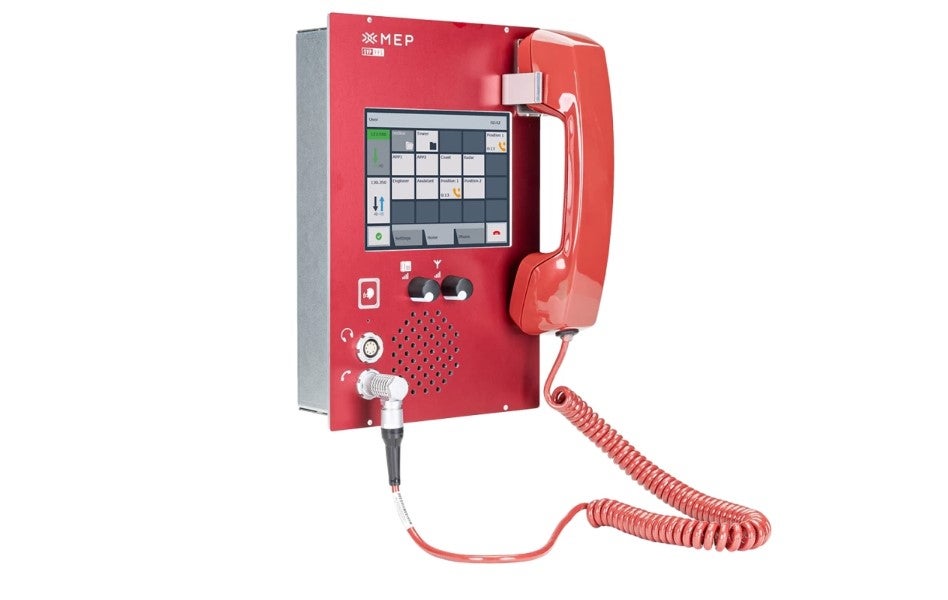
While rare, sometimes an airport’s VCS become temporarily inactive. To ensure that air traffic can still be safely directed if this occurs, MEP offers last resort systems. These systems are installed independently from the main VCS and use a separate infrastructure, including networks and cabling. The last resort systems feature an intuitive interface that can be configured to match the main VCS as closely as possible, allowing operators to continue to work seamlessly, even in emergency situations.
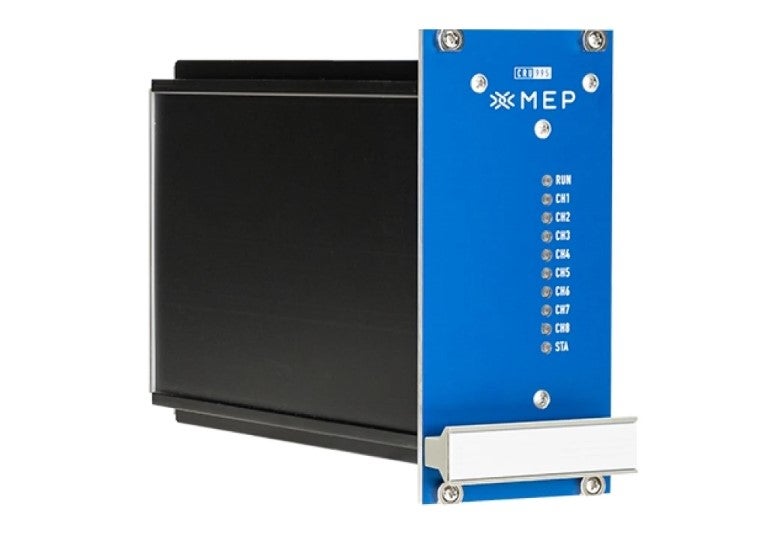
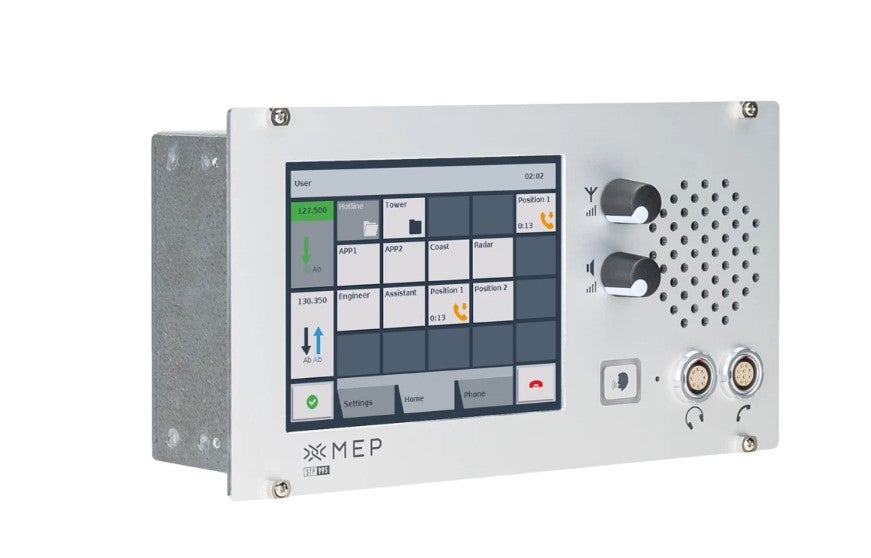

While voice communication systems are used by both regional and international airports, there are some differences that must be taken into consideration when selecting an appropriate system. Larger international airports require more systems and their functions remain separate. They also handle flights coming from further away and with different approach altitudes. When an aircraft gets closer to a larger airport, the volume of information that is exchanged increases as the control tower determines which runway is most suitable. Once clearance has been received, the aircraft must then land and taxi to its final destination, which also requires guidance.
Aircraft landing at larger airports therefore receive many different types of communication from different people across a range of devices. Some specialised functions, such as crash alarms, are also broadcast over separate systems. While landing at larger airports requires a lot of different communications, there are typically several teams to organise each element of communication.
At regional airports, less communication is needed as they typically have fewer runways. This is usually handled by one person as there is less traffic, meaning that multitasking is common and there is less automation. As regional airports have to do more work with fewer people and less equipment, the communication system must be able to assist with the communication.
Smaller regional airports are often connected to each other via phone, so a strong phone network is also important. Most larger airports have updated to digital equipment while many smaller airports are still working with analogue equipment. Regional airports must therefore decide if they should keep the analogue systems or upgrade to newer digital systems.
All of these difference must be taken into consideration when choosing communication systems for regional airports. MEP can advise regional airports and help them to decide which solutions are most suitable for them. The company offers installation and maintenance services, and also keeps in close contact with clients to provide advice and answer any questions, should they arise. Support is provided throughout the installation and testing processes and the company also assists with training air traffic controllers to use new equipment.
Using its industry expertise, MEP provides its clients with reliable advice and guidance and maintains a strong relationship with all of its customers.
Founded in 1989, MEP develops and supplies voice communication systems for the aviation and maritime industries. Many customers around the world rely on the company’s systems every day, and MEP is now one of the fastest growing companies within the aviation industry. MEP works in full compliance with all of the required quality criteria for the aviation industry, including ED137 and Ed135 software, hardware, and testing requirements. It is also an ISO9001: 2015, ISO27001 and ISO 14001 certified organisation.
Innovation is essential to MEP and the company aims to produce the most advanced solutions that use the latest technological innovations and also meet the industry’s standards for safety and critical security. MEP works in full compliance with all of the aviation sector’s quality criteria to ensure it delivers the best possible products that combine innovation and convenience. Its hardware and software systems are tested thoroughly to guarantee high levels of performance under any conditions.
MEP is present in many countries around the world with an installed base of Voice Communication Systems which are used 24/7 in air traffic and maritime traffic control.
When using Evresys’ RTLS services, you always know exactly where they are. The services provide you with direct insight into both live locations and long-term trends.

The Inverness International Airport is located 13km north-east of Inverness in Scotland, representing the gateway to the Highlands.
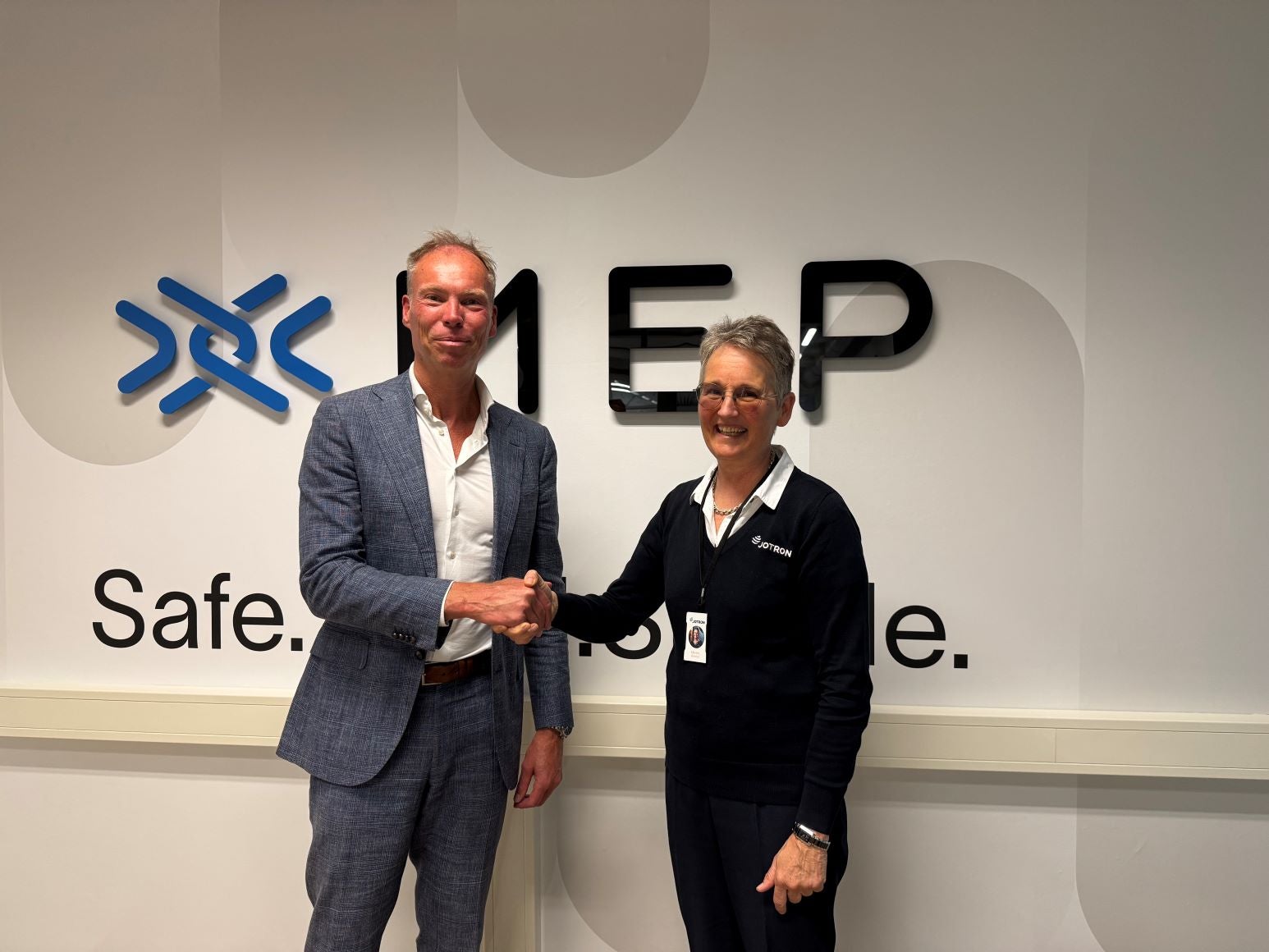
With a clear ambition to lead the global market in safe and reliable critical communications in the air, on water and on land, Jotron is delighted to announce the successful completion of its strategic acquisition of Micro Elektronische Producten B.V (MEP).
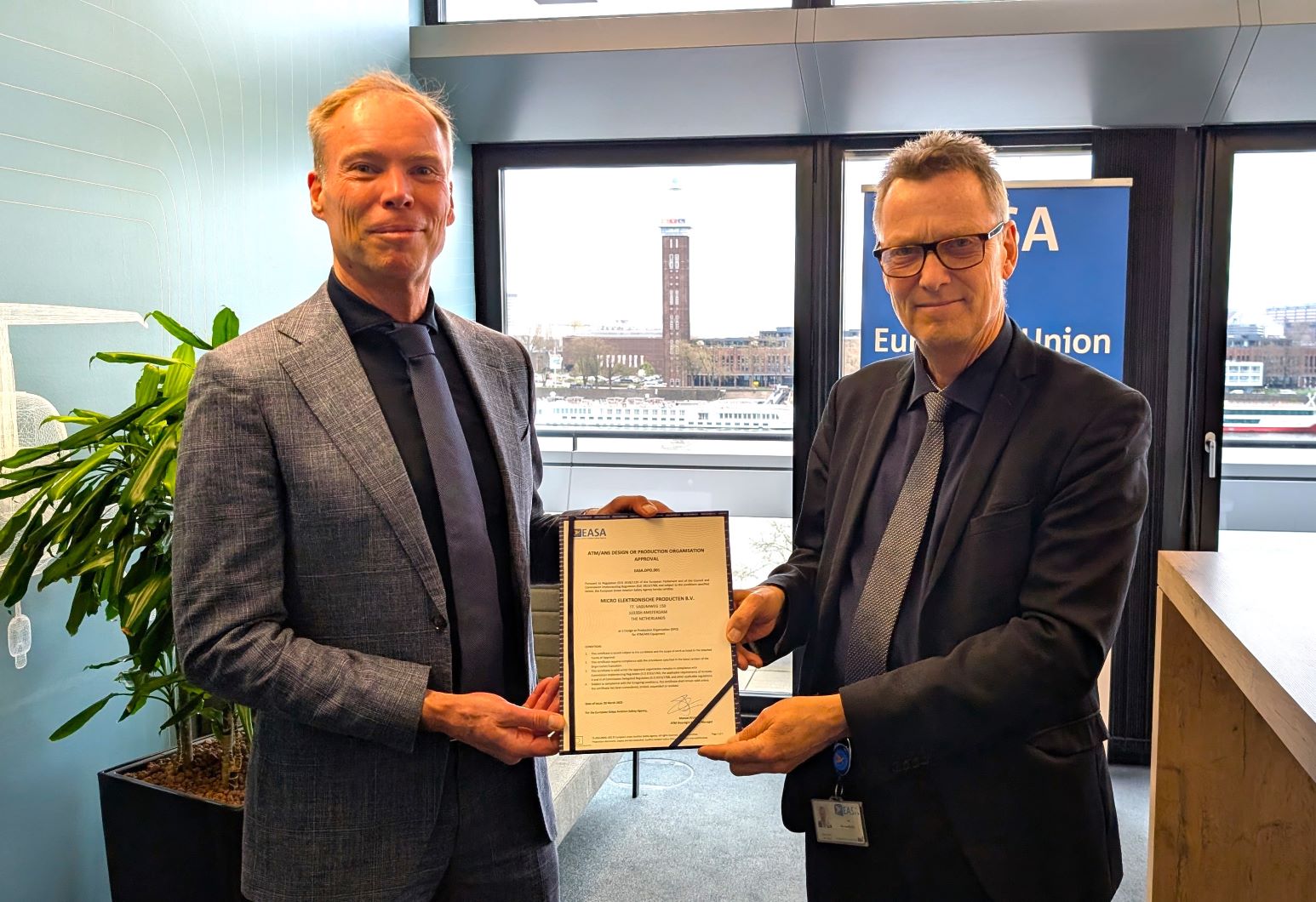
The EASA Design or Production Organisation (DPO) approval became a mandatory step in the EU after the publication of the conformity assessment regulatory framework

The high reliability of the TCS990 made it ideal for its role as an EVCS
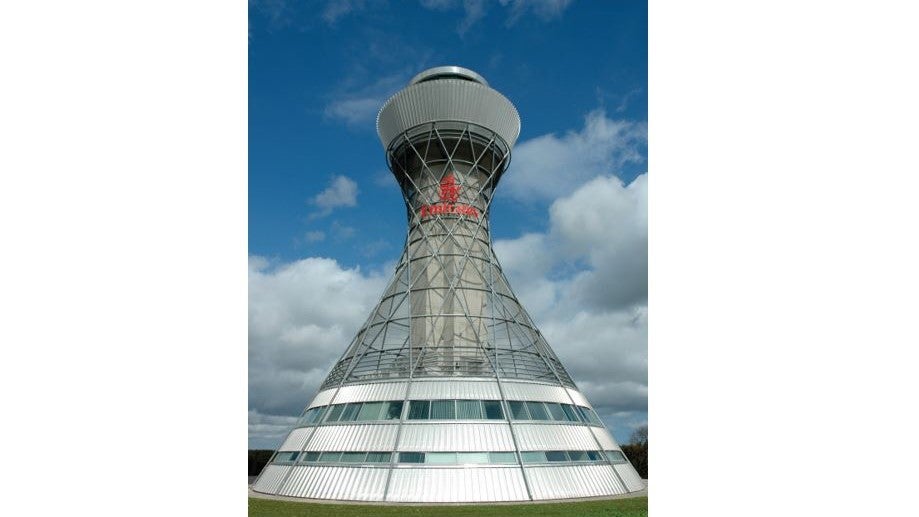
Airport technical staff worked alongside Copperchase and MEP to achieve a solution that encompasses both the main and contingency control towers.
For air traffic controllers and pilots of aircrafts, good voice quality is crucial. EUROCAE has set the ED-138 standard for network performance to ensure quality networks. However, it is a real challenge in some areas, or even not possible to reach this network performance.
Digital communication equipment used by air traffic controllers is subject to the ED-137 standard. The ED-137 communication protocol is a digital protocol, the standardisation of which was established by EUROCAE in collaboration with industry companies.

SCAA signed a contract with Sparfell Communications, together with its partner Micro Elektronische Producten B.V. (MEP) , in May 2020.

MEP will demonstrate its new Voice Communication System named SureVoice at the Airspace World 2023 exhibition.
MEP VCS systems are in operation in more than 18 airports in the UK.
MEP has a very reliable market reputation due to its robust, user friendly systems, and with the GTW995 generation it has taken this a step further.
MEP has successfully implemented its Voice Communication System in airports in Indonesia and Seychelles.
The project will change the way air traffic services are provided at seven HIAL airports, by running activities in a centralised tower and surveillance centre and modernising the way airspace is managed.
In close cooperation with partners, MEP developed an integrated solution where offshore staff members at oil rigs can use a Smartphone for multiple different communication purposes.
Austro Control preferred a switchless solution to avoid a central location. After evaluation, the MEP switchless 5.7 inch consoles have been selected.

On the 6 November, MEP signed a contract in Taipei, Taiwan, with Chunghwa Telecom for the tender of the Taiwan Airforce for an island-wide implementation.

MEP CEO Werner van Eck and Sigma Wireless sales manager Paul Kinna signed a contract for the delivery of a VoIP Emergency Voice Communication System for the control tower at Dublin Airport.
MEP has announced it will be showcasing two of its latest communications consoles at World ATM Congress 2019.
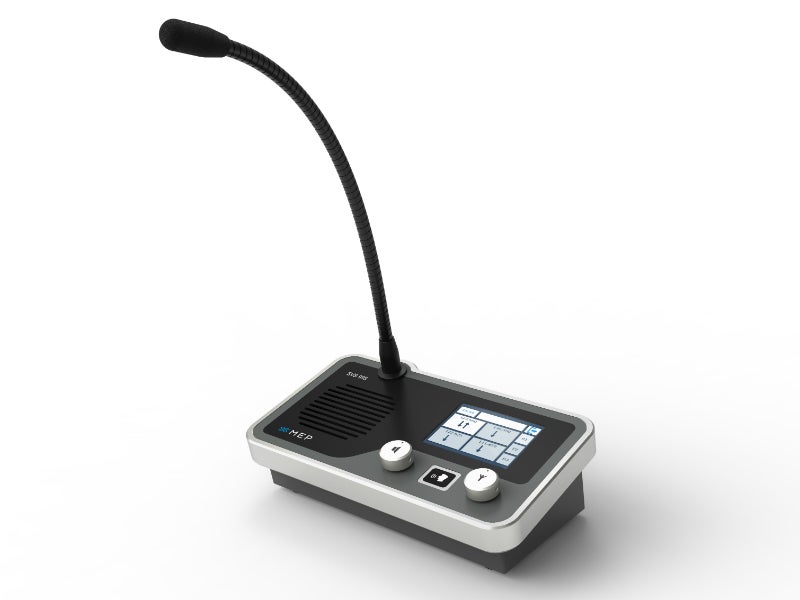
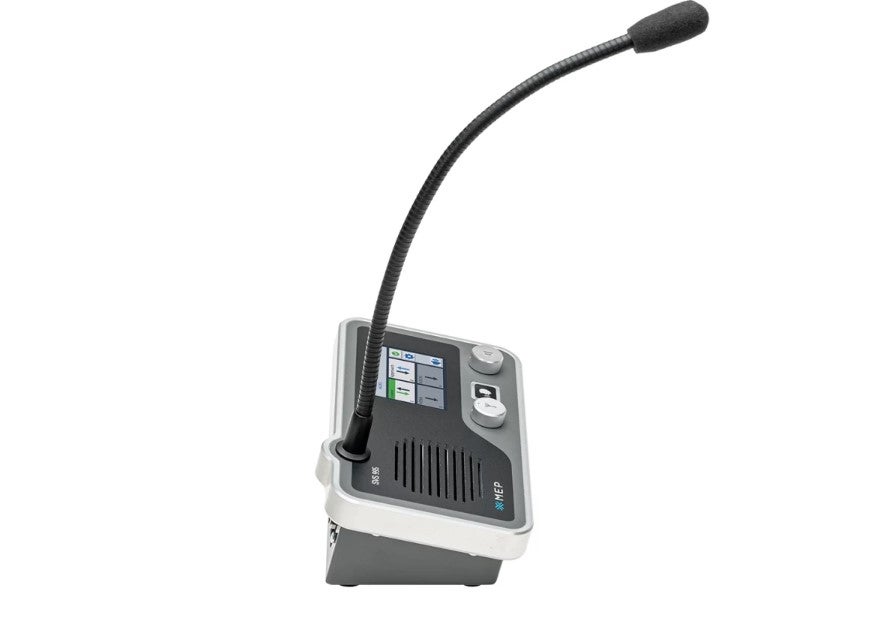
MEP has released its latest SVS995 Console from its range for air traffic control communications.
MEP has been awarded a number of projects, including work for St Anthan’s conversion from a military airbase to a civilian airfield, as well as Highlands and Islands Airports Limited’s voice communication system replacement.
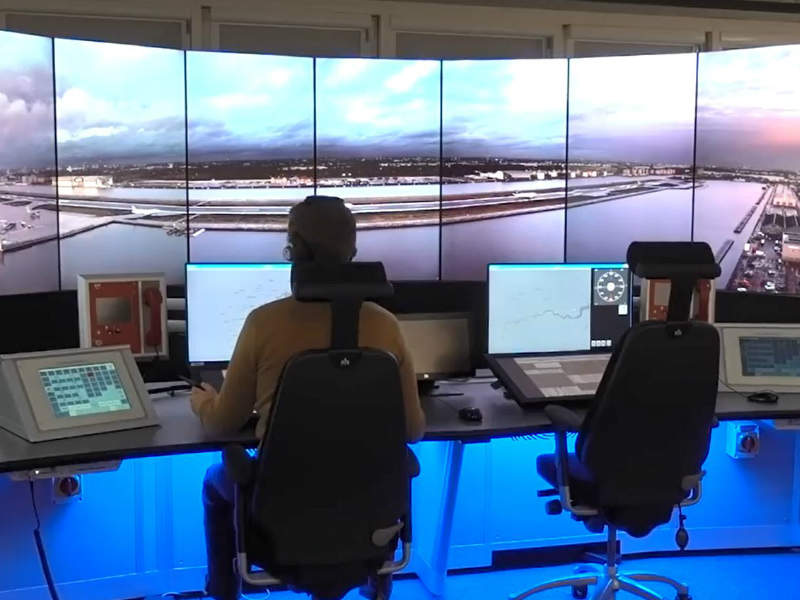
MEP has delivered a backup system to the London City Airport remote tower concept to assist controllers by voice communication if the main system at the new tower fails.
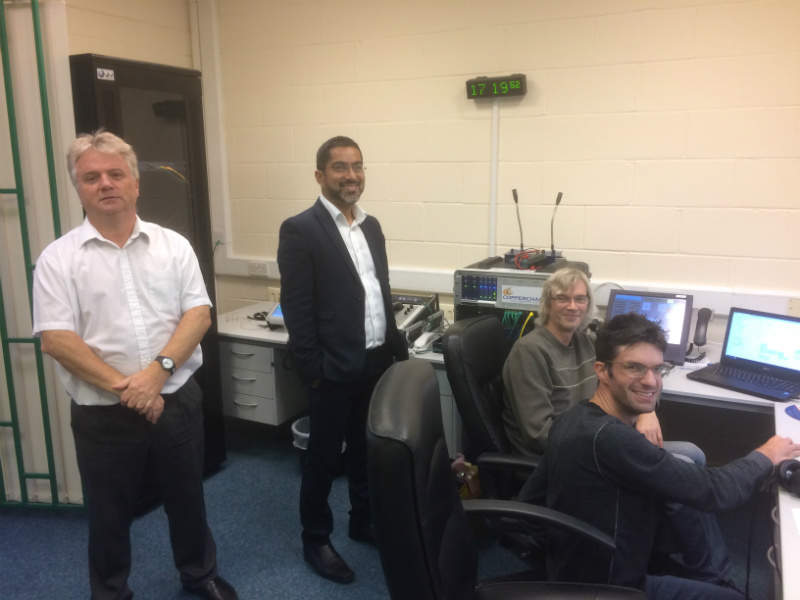
Copperchase and NATS have successfully completed the factory acceptance test (FAT) of the MEP TCS990 VCCS for London Heliport at Battersea.
MEP is proud to announce that over the last months the MEP TCS990 Voice Switch has been installed at a number of high-profile sites around the world.
We are pleased to inform you that MEP has moved to a new office location in Amsterdam, the Netherlands. This location has more space which provides several advantages for our customers, staff and suppliers.
MEP will be showcasing a range of voice communication control systems at the World ATM Congress, taking place in Madrid, Spain, from 7-9 March.
MEP announces the commissioning of three EVCS system at Aberdeen, Luton and Southampton, UK.
NATS, in partnership with Copperchase, have successfully installed and commissioned three MEP emergency voice communication systems (EVCS).
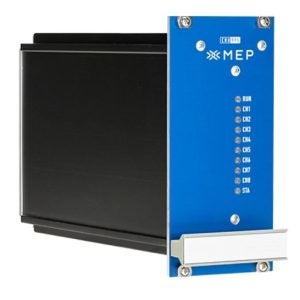
MEP announces today the introduction of the CRU990 Gateway for ED137.
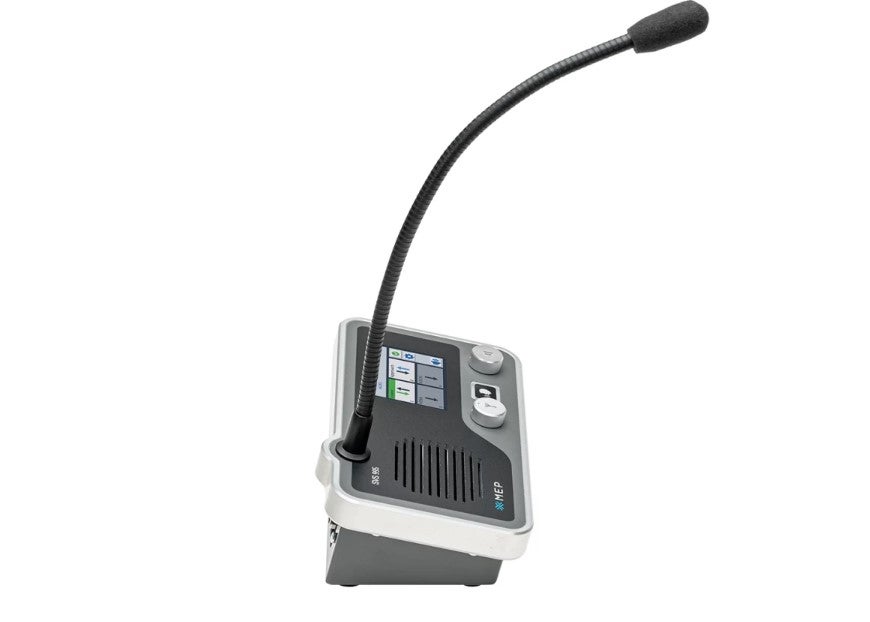
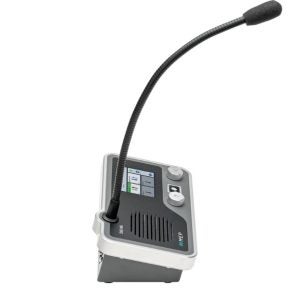
The SVS995 is a standalone console which supports up to four radios.
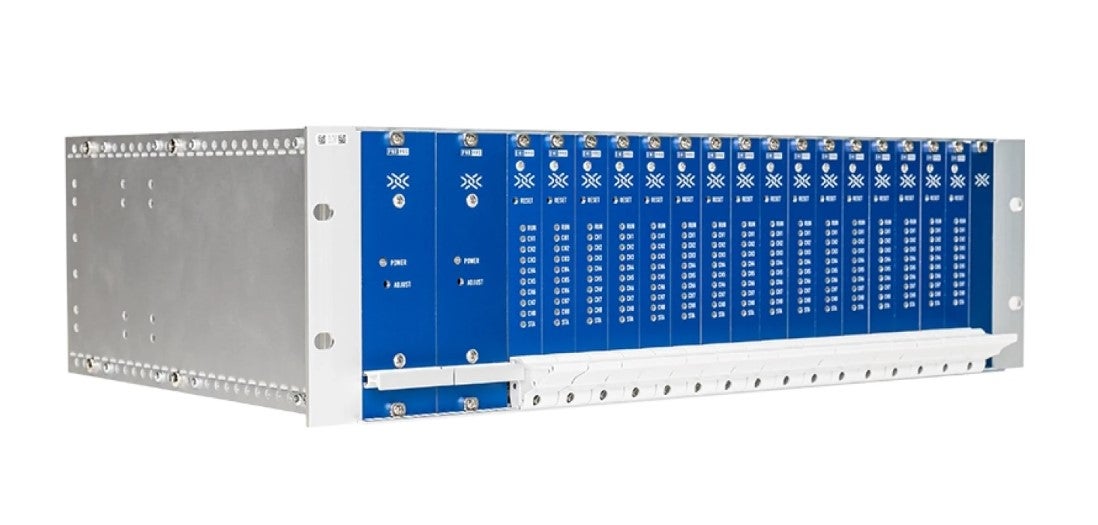
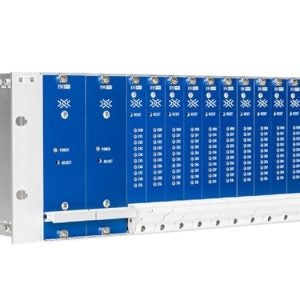
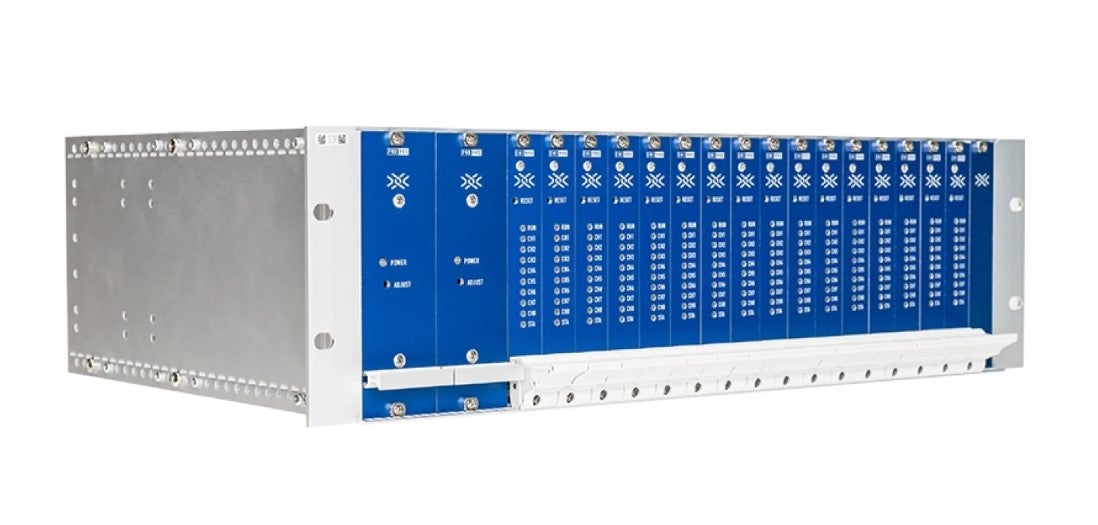
MEP's Voice Switch TCS990 digital switch is suitable air traffic controllers continually guarding critical situations.
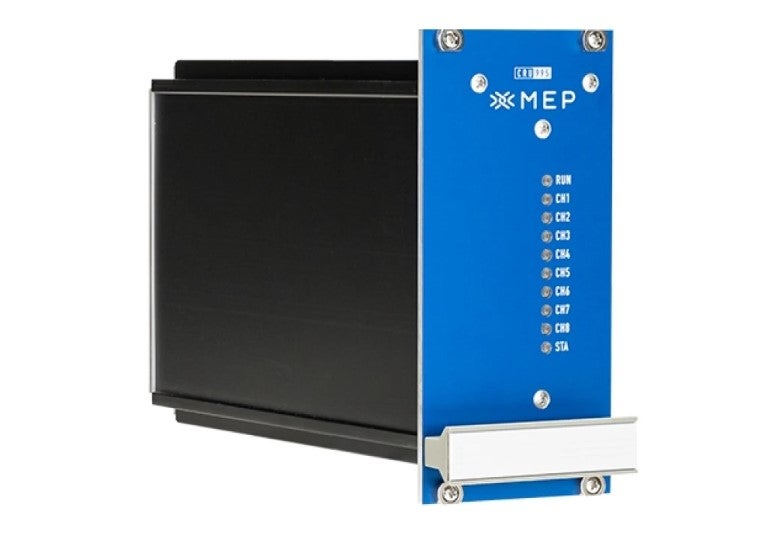
It is compliant with ED-137, allowing it to facilitate the migration of legacy analogue connections to ED-137.
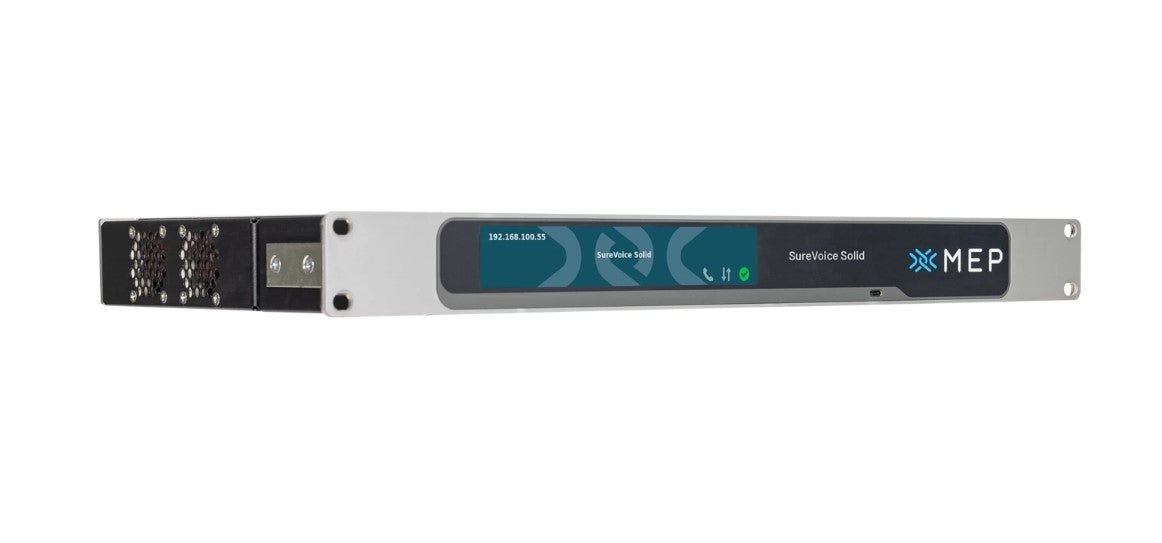
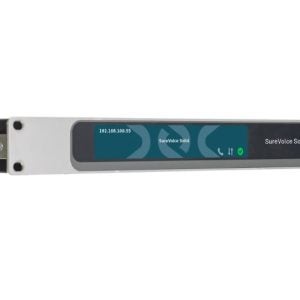
The SureVoice solid VCS features four 1000 Base-T Gigabit Ethernet jacks.

The SureVoice Panel12 is a high-reliable CWP.
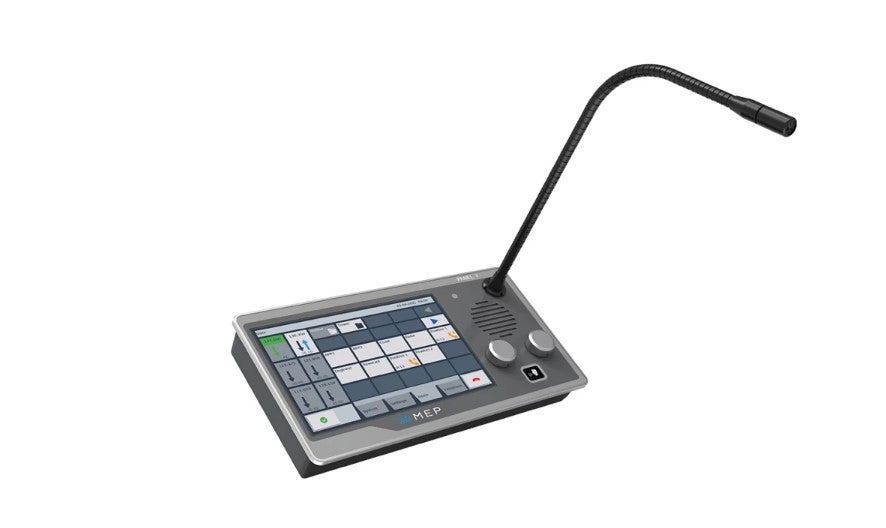
The SureVoice Panel7 is a high-reliable and complete CWP.