
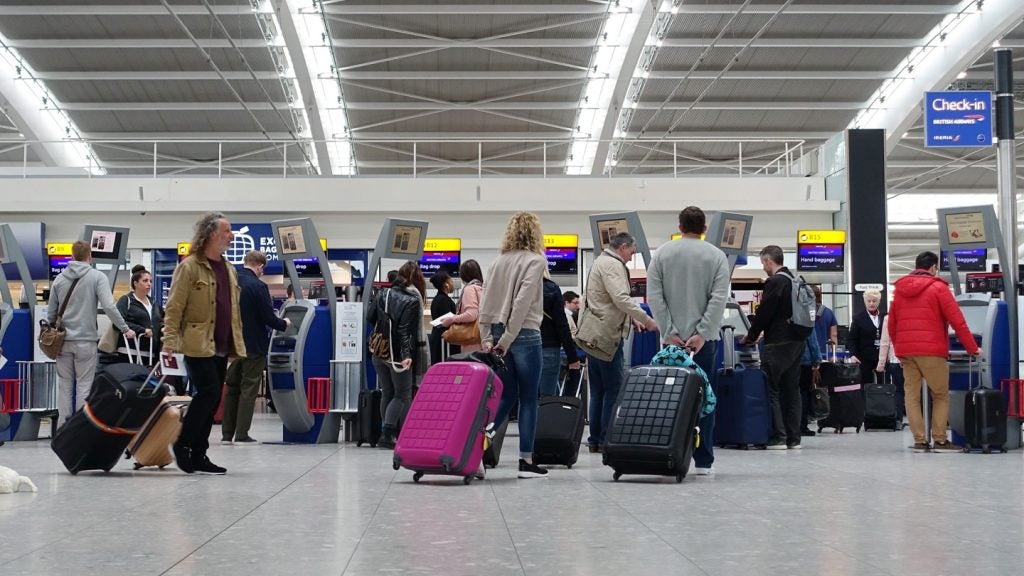
A recent study indicates that nearly 60% of air travellers in the UK express concerns regarding the security of their personal data while flying.
The findings, published in Getronics’ 2025 Travel Trust Barometer, suggest that airport authorities have opportunities to enhance trust, particularly about biometric and mobile travel technologies.
The study surveyed 2,000 UK air passengers and reflects a cautious public sentiment amid increasing awareness of digital security issues, especially following a series of cyberattacks in the UK that have kept data security in the spotlight.
When participants were asked about their concerns regarding personal data security while travelling, 59% affirmed their worries, while 20% disagreed, and 21% remained uncertain.
This uncertainty indicates that many travellers could be positively influenced by effective communication and privacy-centric design.
Getronics client director Andrew Madigan said: “Travellers are telling us they want convenience, but not at the cost of control. While there is concern, there’s also a clear path forward for airports that build transparent, reliable and consent-based systems.”
Participants were also asked about the types of personal data that raised the most concern for them.
The survey revealed that 40% of respondents were most concerned about the security of their credit card information, followed by 30% who cited passport details and 14% who were worried about their contact information.
Despite these concerns, the survey highlighted the potential for airport technology teams to improve passenger experiences.
While only 23% of respondents strongly agreed to storing passport information or biometric identifiers, such as fingerprints or facial scans, on their smartphones to expedite travel, an additional 43% expressed openness to the concept.
Furthermore, 76% of passengers indicated they would feel either very comfortable or fairly comfortable with facial recognition technology being used as the primary method for verifying personal security information.
The research also noted a shift in preferences regarding boarding passes, with 29% of respondents now favouring digital boarding passes, compared to 28% who prefer printed versions. An additional 17% indicated no preference between the two options.
Getronics operational security global head Rob Nidschelm said: “The good news for airports is that this is not a rejection of technology. Travellers are open to greater use of technology in return for improved experience.
“However, our own threat intelligence continues to highlight a persistent rise in targeted attacks on aviation, particularly on passenger data systems, biometric platforms, and third-party integrations critical to airport operations.”