
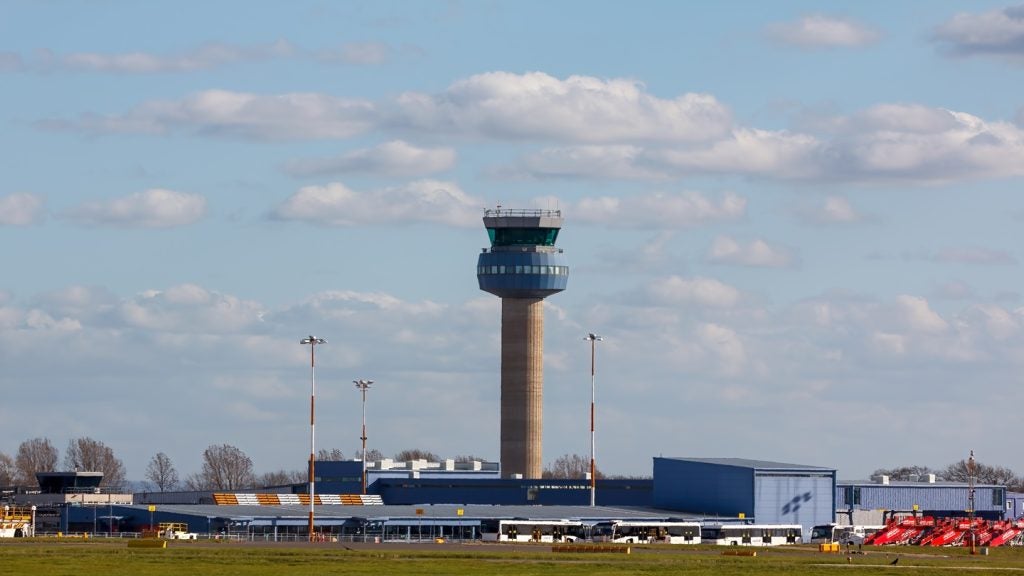
The East Midlands Airport in the UK has been fined £892,500 ($1.19m) after being prosecuted by the Environment Agency for environmental permit violations.
The ruling was delivered at Derby Crown Court, where the airport was found guilty of three separate offences related to the discharge of surface water drainage containing de-icing fluid from aircraft and runways.
In addition to the fine, the court ordered the company to pay costs amounting to £65,687.54.
The violations occurred between 14 January 2022 and 4 February 2022, during which the airport failed to adhere to the quality limits outlined in its environmental permit.
These limits are intended to safeguard the environment and prevent water pollution. Failure to adhere to these limits is likely to have a long-term impact on the watercourse, leading to a decline in water quality.
The permit specifies that the discharge of site drainage must not exceed a biochemical oxygen demand (BOD) level of 15mg/l, a key indicator of organic pollution in water.
Investigations by the Environment Agency revealed that the airport exceeded this limit on three occasions.
In its defence, the company, which underwent management changes in 2022, stated that it has been working with the Environment Agency to rectify the issues.
However, the court noted the airport's history of non-compliance, with 13 previous permit breaches recorded since 2006, leading to ten written warnings.
The specific charges included exceeding BOD limits on 14 January, 1 February, and 4 February 2022, with fines of £297,500 imposed for each offence.
Environment Agency’s East Midlands Area senior environment officer Ian Firkins said: “We welcome this sentence which should act as a deterrent to other companies who flout environmental legislation.
“As a regulator, the Environment Agency will not hesitate to pursue companies that fail to meet its obligations to the environment.
“The conditions of an environmental permit are designed to protect people and the environment.”
In 2024, East Midlands Airport initiated a £120m ($152m) modernisation programme, focusing on terminal upgrades, taxiway reconstruction, and air traffic control enhancements.