
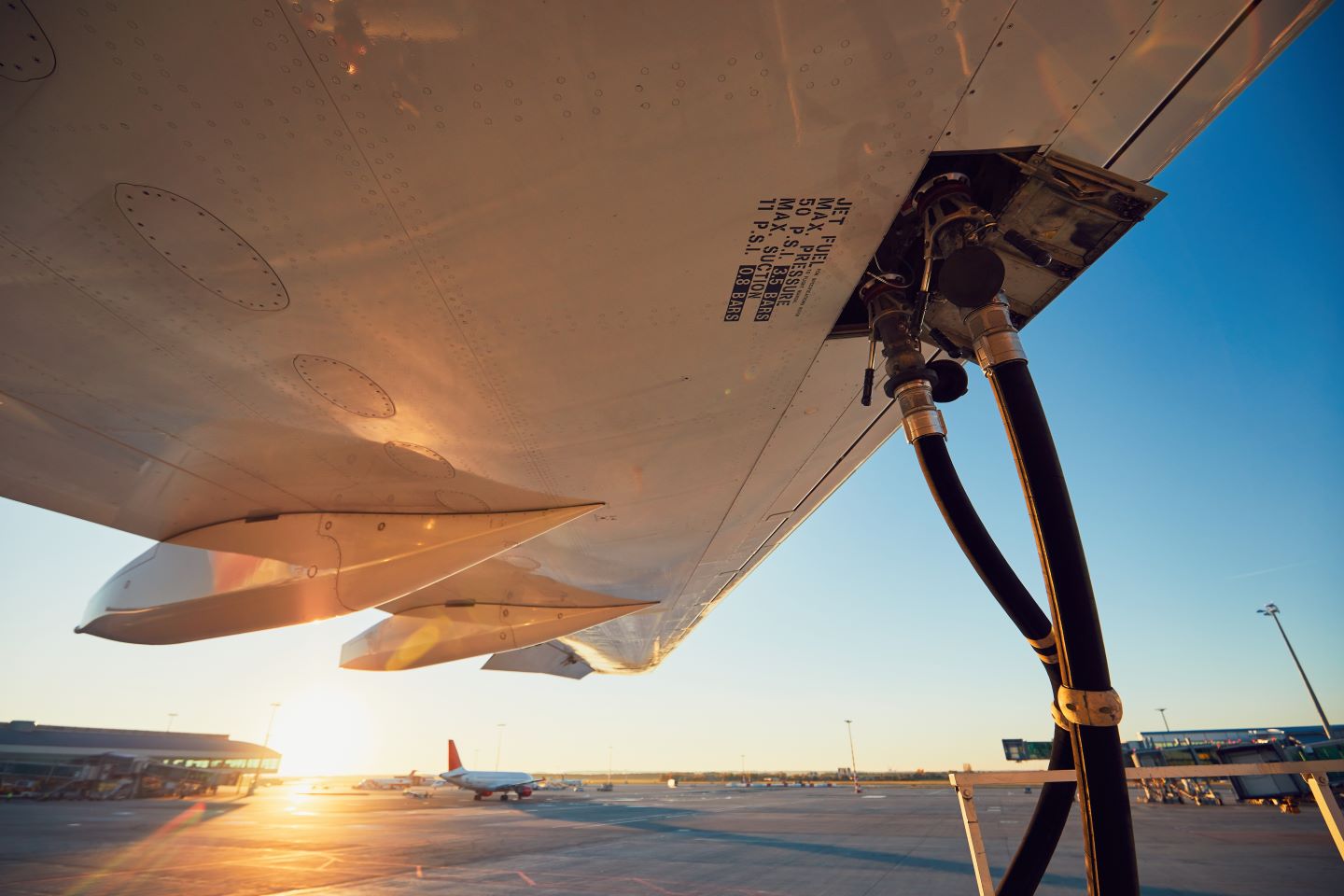
The World Travel & Tourism Council (WTTC) has issued a call to governments worldwide encouraging them to prioritize the development of Sustainable Aviation Fuel (SAF) and establish ambitious targets to satisfy the growing demand.
In reference to the UN framework on climate change, SAF is averaging 70% reduction of CO² reduction over its lifecycle which has “the potential to grow to 100% soon.”
Go deeper with GlobalData

Discover B2B Marketing That Performs
Combine business intelligence and editorial excellence to reach engaged professionals across 36 leading media platforms.
Three ways in which the government can take action according to WWTC include providing strong incentives to encourage investment in SAF production, working with the sector to set ambitious SAF production targets and coordinating their actions through the International Civil Aviation Organisation (ICAO).
According to the WTTC, without immediate action, governments run in jeopardy of failing to meet the Paris Climate Agreement’s climate targets while also compromising the economic development that depends on aviation for connectivity, trade and tourism.
WTTC president and CEO Julia Simpson highlighted the urgency needed and exemplified how commitments to concrete policies can accelerate the decarbonization of the aviation industry: “It is time for governments to take bold action and prioritise the production of sustainable aviation fuel. We are calling on all governments to act now.
“The demand for SAF has never been higher, airlines all over the world want to use SAF and have used every molecule ever made. However, current SAF production only meets 0.1% to 0.15% of the requirement, despite a 200% increase in production in 2022 vs 2021.
“At today’s prices, SAF is on average three to five times more expensive than traditional fossil fuels. Governments must address this cost disparity by providing financial support and incentives to make SAF more accessible and affordable.”
Most of the greenhouse gas reductions required for the aviation sector to reach net zero carbon emissions by 2050, as stated by WTTC, will be provided by SAF.
While SAF production has increased exponentially in recent years, the present rates are still insufficient to satisfy the growing demand a major obstacle to SAF’s widespread adoption is its exorbitant cost.
Adding to this the International Civil Aviation Organisation (ICAO) emphasises: “implementation of a supporting incentive framework will be critical to address the cost disadvantage faced by SAF.”
The US is an example where an incentive scheme has been successful. The recent Inflation Reduction Act included financial incentives for SAF manufacturing through the financial Blender Credit, which has begun to demonstrate beneficial outcomes.
In collaboration with the global advisory ICF, WTTC is releasing a white paper report which offers insightful advice and recommendations to help tourism destinations embrace SAF and profit from its advantages.



