

The Silent Cost of Inconsistent Equipment (and Why it Quietly Kills Scaling)
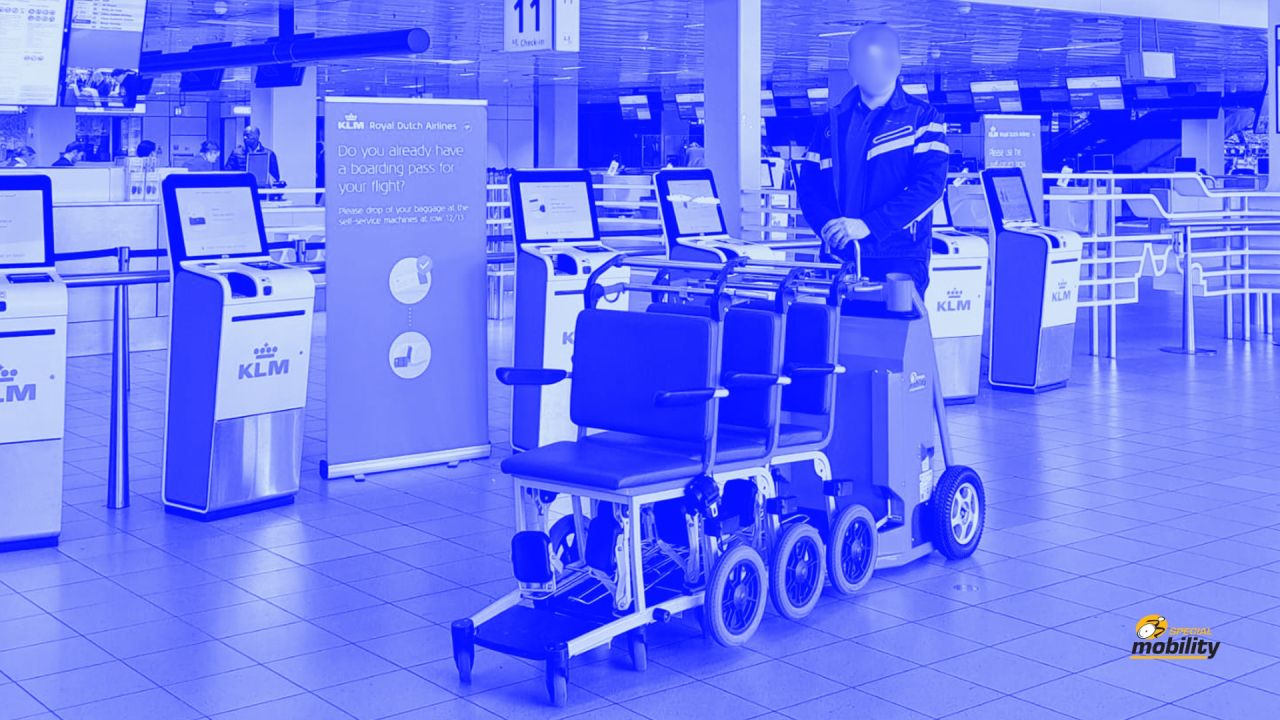
Mixed fleets look fine in procurement. In operations, they create micro-friction that compounds.
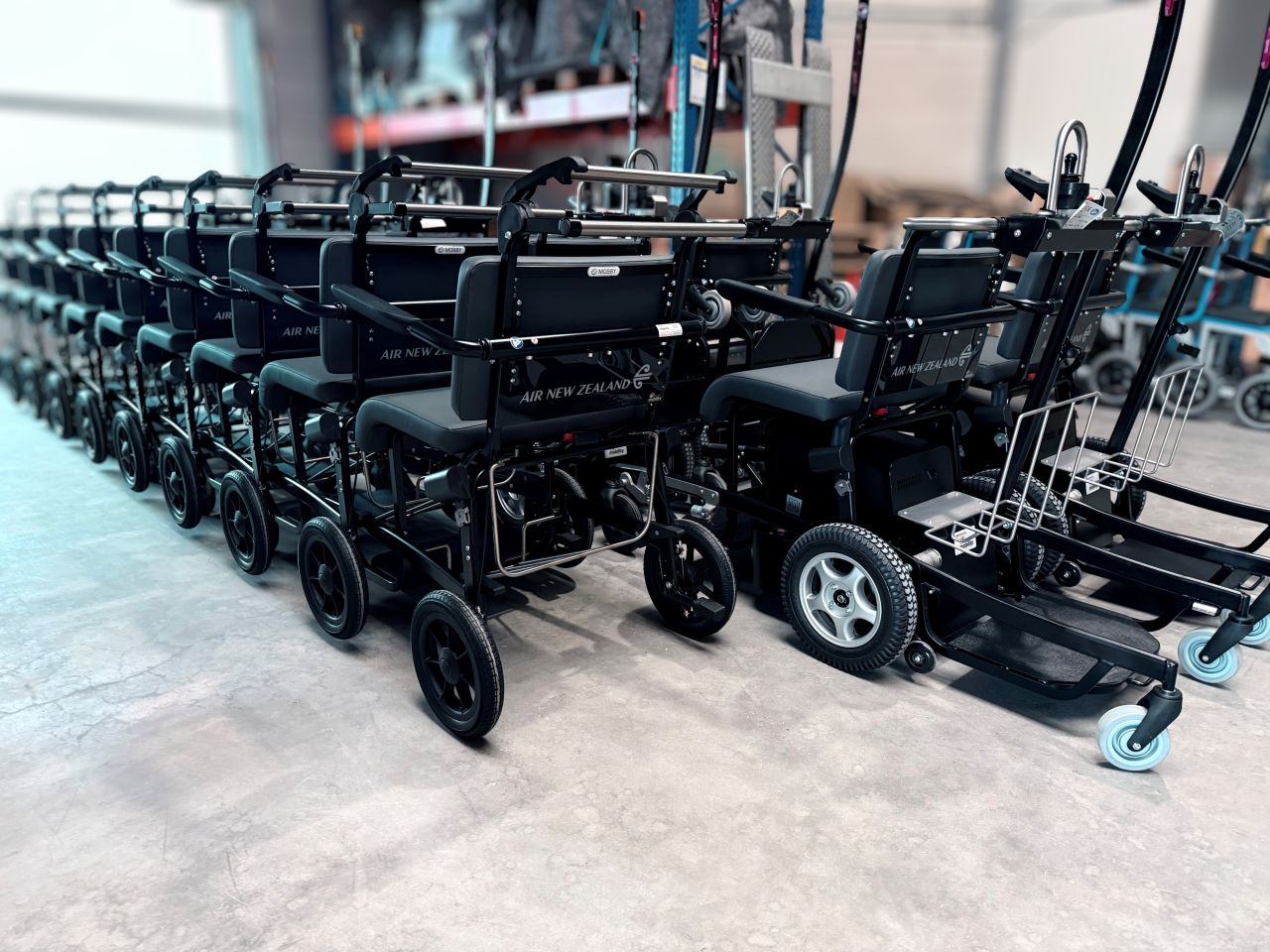
By ‘inconsistent’, I don’t mean ‘bad quality’. I mean equipment that behaves differently shift to shift:
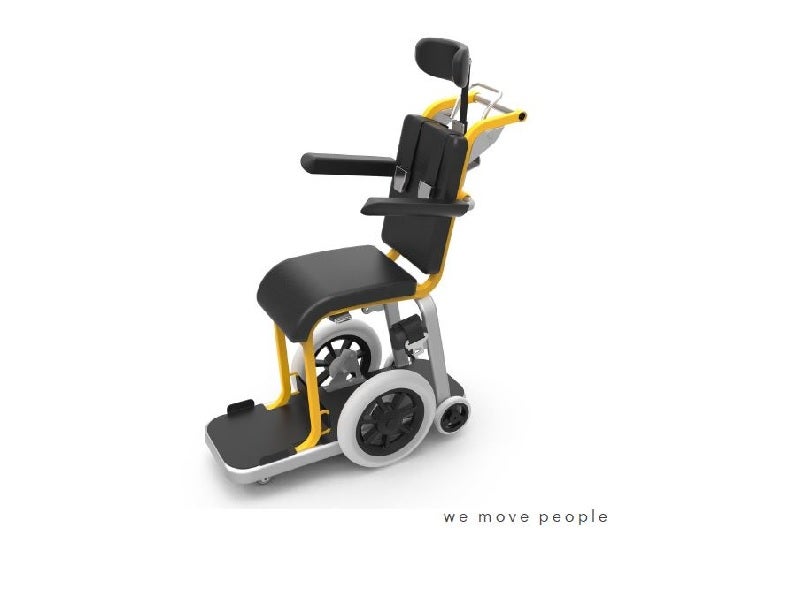
- Chair A brakes lock differently from Chair B
- Belt buckles close in a different way or sit in a different position
- Turning radius varies enough to change how you enter lifts, PRM buses, and jet bridges
- Battery routines or charge indicators are inconsistent
- Footrests swing out differently (or are ‘bent but usable’)
None of this feels big until you run hundreds of assisted journeys per day.
Here’s Where the Cost Shows Up (and Rarely Gets Measured)
Seconds Become Capacity Loss
Every ‘how does this one work again?’ moment is 5 to 30 seconds. That sounds like nothing. At scale, it’s not.
Do the Math with Me
If your operation does 800 assisted moves/day and inconsistency adds just 15 seconds per move: 800 × 15sec = 12,000sec = 3.3hrs/day of productive time gone. No incident required. No KPI dashboard will scream. It just leaks.
Handovers Become Risk Points
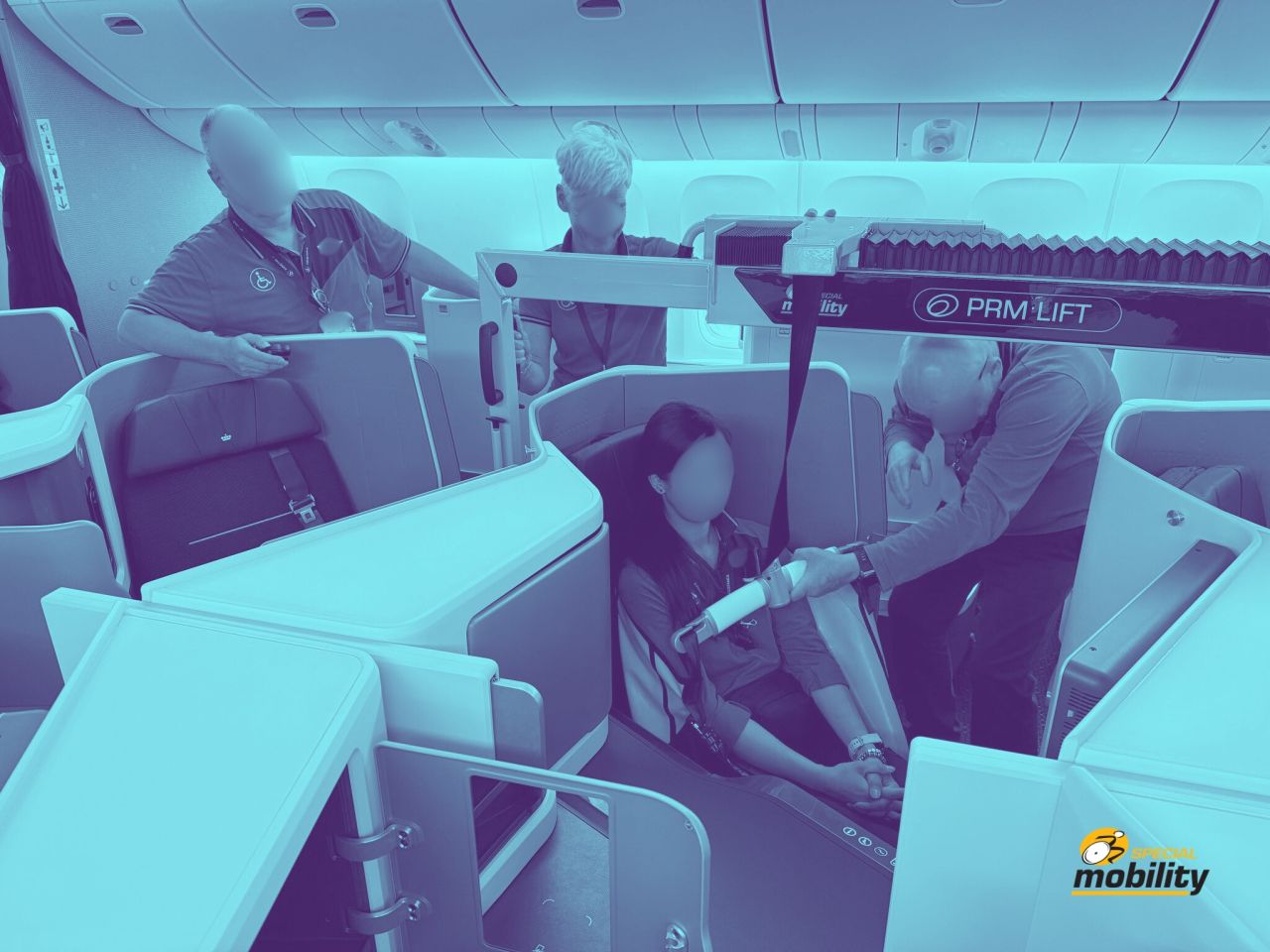
Most service failures happen at handovers: landside to airside, gate changes, boarding, and ambulift. Inconsistent equipment turns handovers into micro-negotiations:
‘Do you have the chair with the belt that actually closes?’
‘Which one fits that lift?’
‘Which brake can I trust on the ramp?’
Training Stops Becoming Muscle Memory
When tools differ, people don’t learn a standard process; they learn exceptions. That keeps ramp-up slow and creates hesitation exactly when it’s busy.
Maintenance Becomes Unpredictable
More variants mean more parts, more diagnosis time, and harder swaps. Even if downtime is similar, uncertainty forces buffers, and buffers cost capacity.
A Simple Frontline Test
Ask your team: ‘Which chair do you avoid when it’s busy?’ If they have an answer, you’re already paying the silent cost. Because that unit still counts in your fleet size, but not in your real capacity.
Procurement buys equipment. Operations run routines.
And in assisted travel, dignity scales through predictability.
𝐖𝐞𝐬𝐥𝐞𝐲 𝐇𝐮𝐛𝐞𝐫𝐬
Sales Manager, Special Mobility
𝘍𝘰𝘤𝘶𝘴𝘦𝘥 𝘰𝘯 𝘱𝘳𝘢𝘤𝘵𝘪𝘤𝘢𝘭, 𝘴𝘤𝘢𝘭𝘢𝘣𝘭𝘦 𝘢𝘴𝘴𝘪𝘴𝘵𝘦𝘥 𝘵𝘳𝘢𝘷𝘦𝘭 𝘴𝘰𝘭𝘶𝘵𝘪𝘰𝘯𝘴 𝘧𝘰𝘳 𝘢𝘪𝘳𝘱𝘰𝘳𝘵𝘴