

Boarding Chairs go up Ramps. Passengers Come in all Weights. Staff Absorb both. Every Single Turnaround
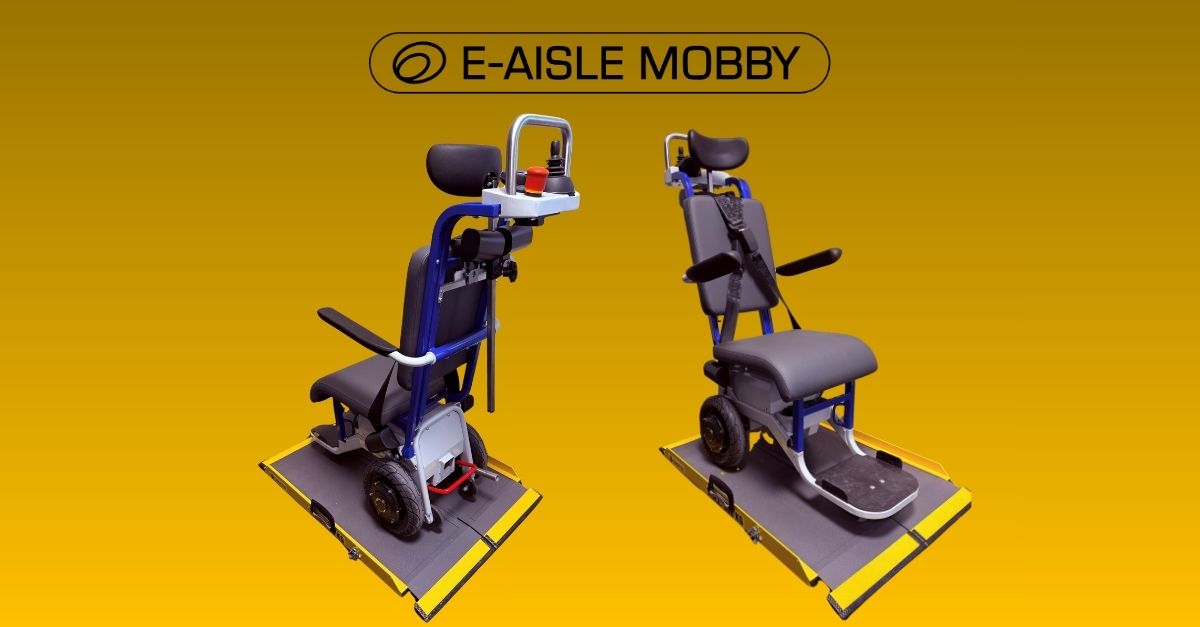
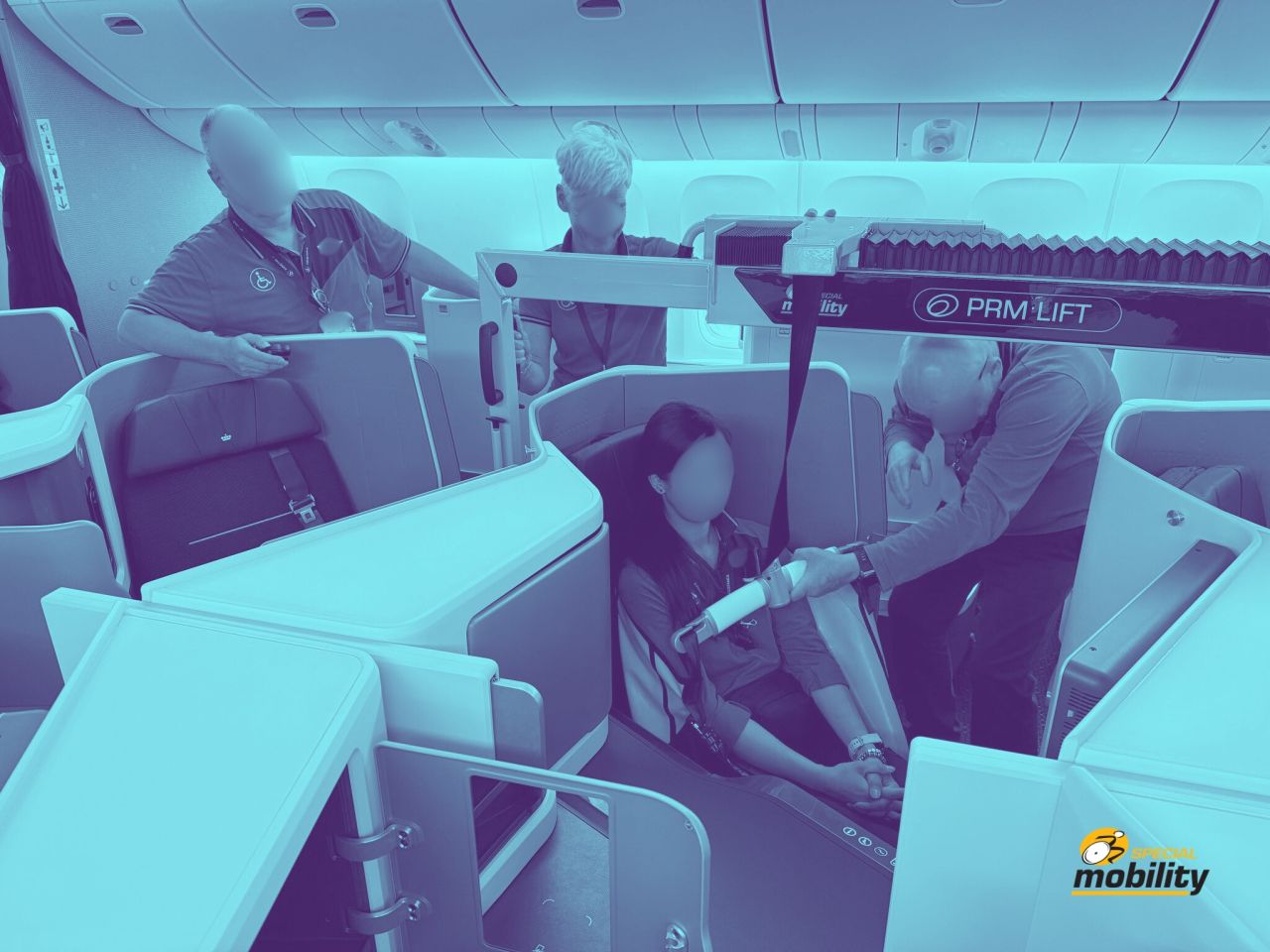
The cabin is its own environment. Narrow aisle, limited manoeuvring space, turnaround time pressure, and passengers who come in all sizes and weights. On top of that, ramp inclines significantly increase the push force required, and staff repeat these transfers throughout a full shift.
Manual handling in these conditions is a consistent source of staff injuries, operational hesitation, and moments where dignity takes a hit because the situation becomes physically unmanageable. EU legislation is clear: where manual handling cannot be avoided, the risk must be reduced. That logic applies directly here.
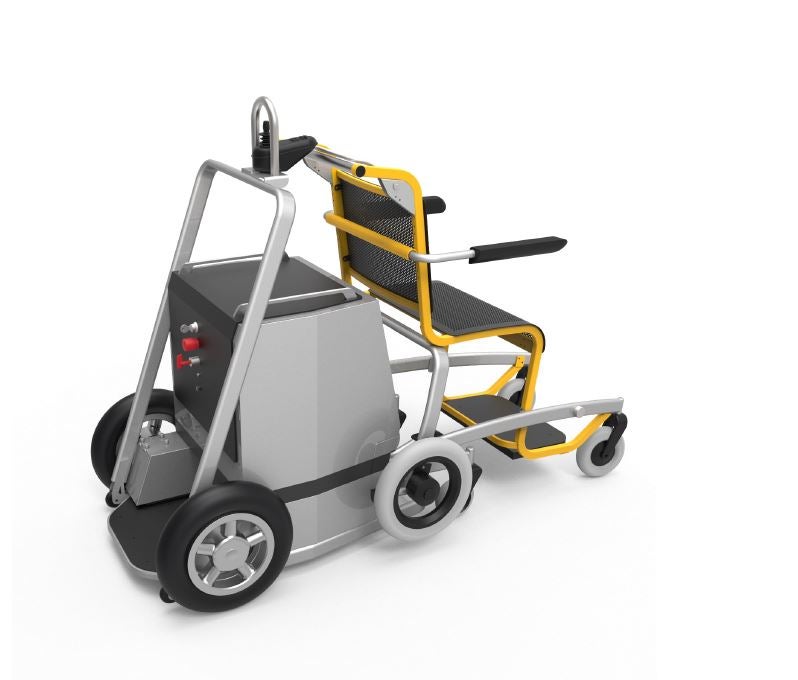
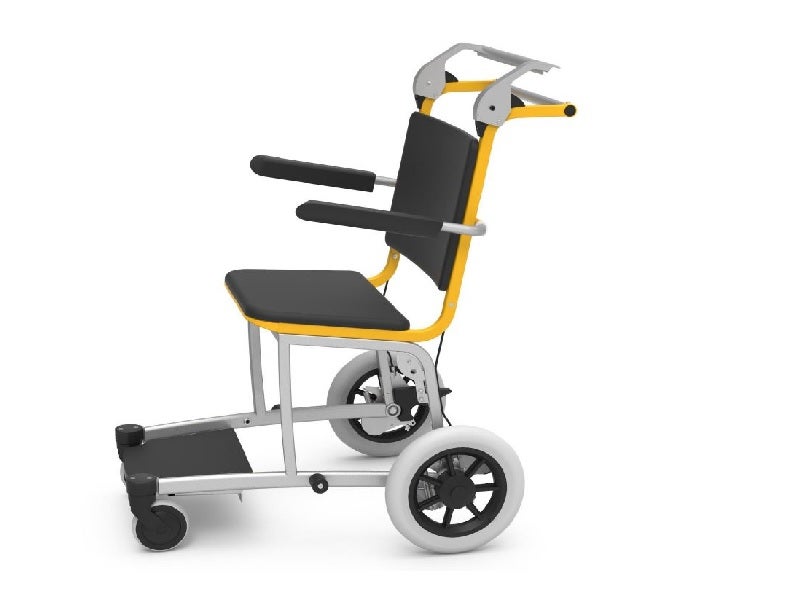
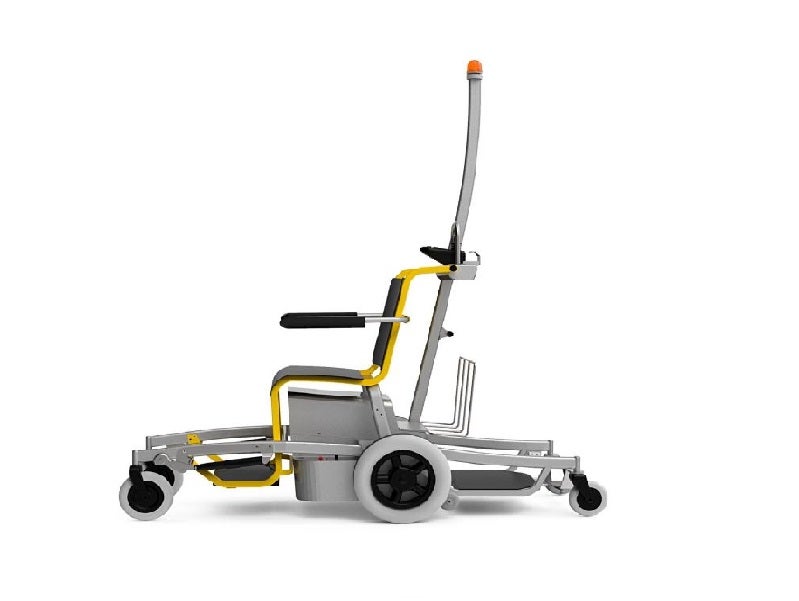
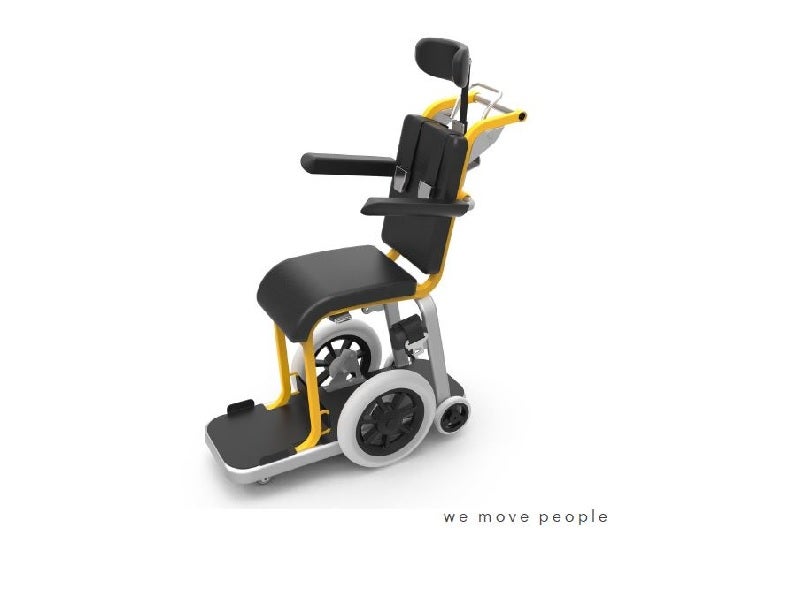
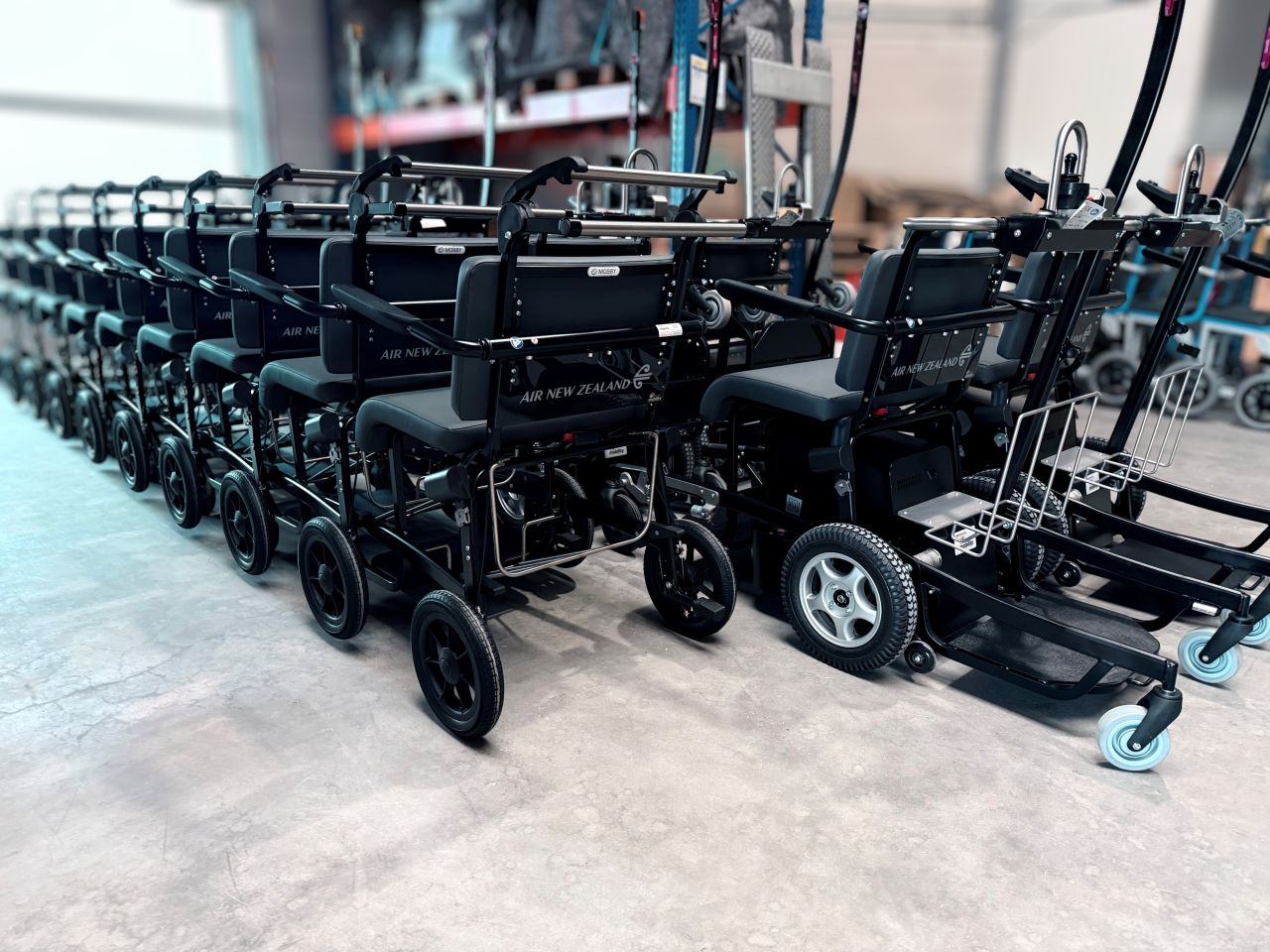
What changes with an electrically assisted boarding chair
The staff member stays in full control and manages the passenger interaction. What disappears is the sustained physical effort of pushing against gravity, especially on a ramp, especially with a heavier passenger.
- A wider range of passengers can be assisted safely, regardless of weight
- Ramp incline stops being a limiting factor
- Transfers become calmer and more controlled, which the passenger feels immediately
- Repetition across a full shift becomes sustainable
What you can realistically achieve
A boarding operation where passenger weight variation stops being an invisible ceiling on service quality. Where the focus shifts from “can we get this person on board safely” to “how do we make this as comfortable as possible.” In my experience, that shift leads to better outcomes for staff, passengers, and operational consistency at the same time.
What does your biggest boarding challenge look like: passenger weight variation, ramp conditions, or time pressure?
𝐖𝐞𝐬𝐥𝐞𝐲 𝐇𝐮𝐛𝐞𝐫𝐬 | Sales Manager, Special Mobility
𝘍𝘰𝘤𝘶𝘴𝘦𝘥 𝘰𝘯 𝘱𝘳𝘢𝘤𝘵𝘪𝘤𝘢𝘭 𝘗𝘙𝘔 𝘴𝘰𝘭𝘶𝘵𝘪𝘰𝘯𝘴 𝘧𝘰𝘳 𝘢𝘪𝘳𝘱𝘰𝘳𝘵𝘴 𝘢𝘯𝘥 𝘴𝘦𝘳𝘷𝘪𝘤𝘦 𝘱𝘳𝘰𝘷𝘪𝘥𝘦𝘳𝘴
Follow for perspectives on PRM operations and real-world mobility challenges.