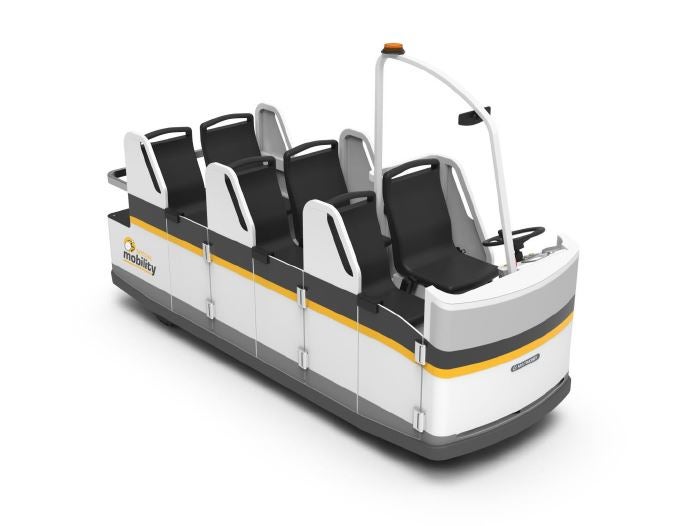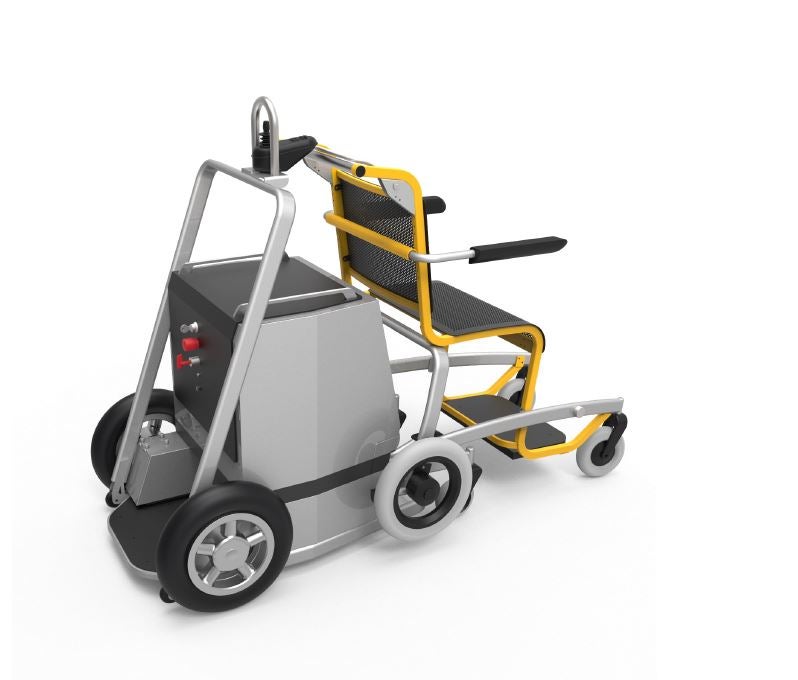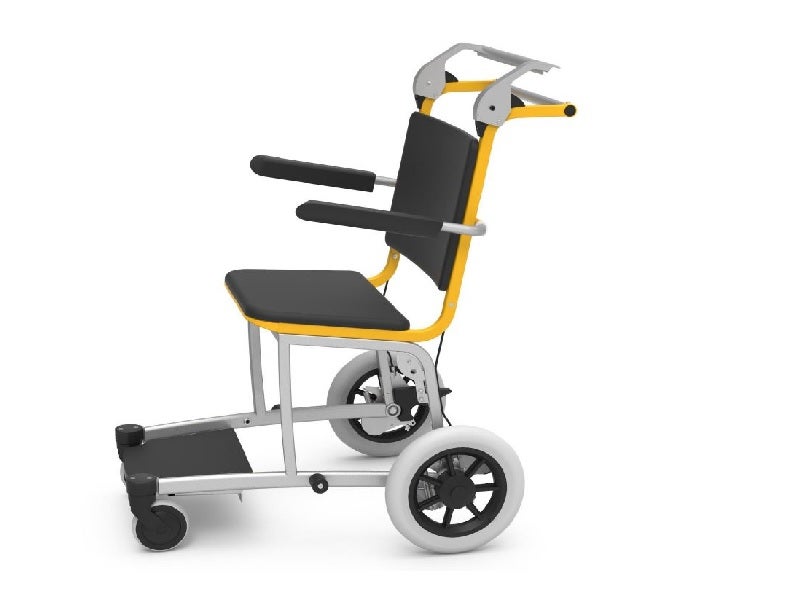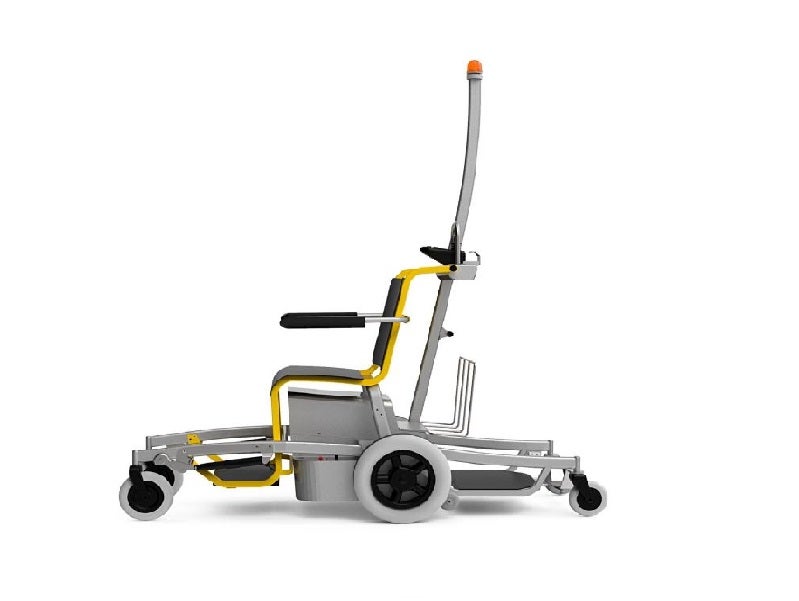


Autonomous Assistance in Airports: Less About ‘Wow’, More About Readiness
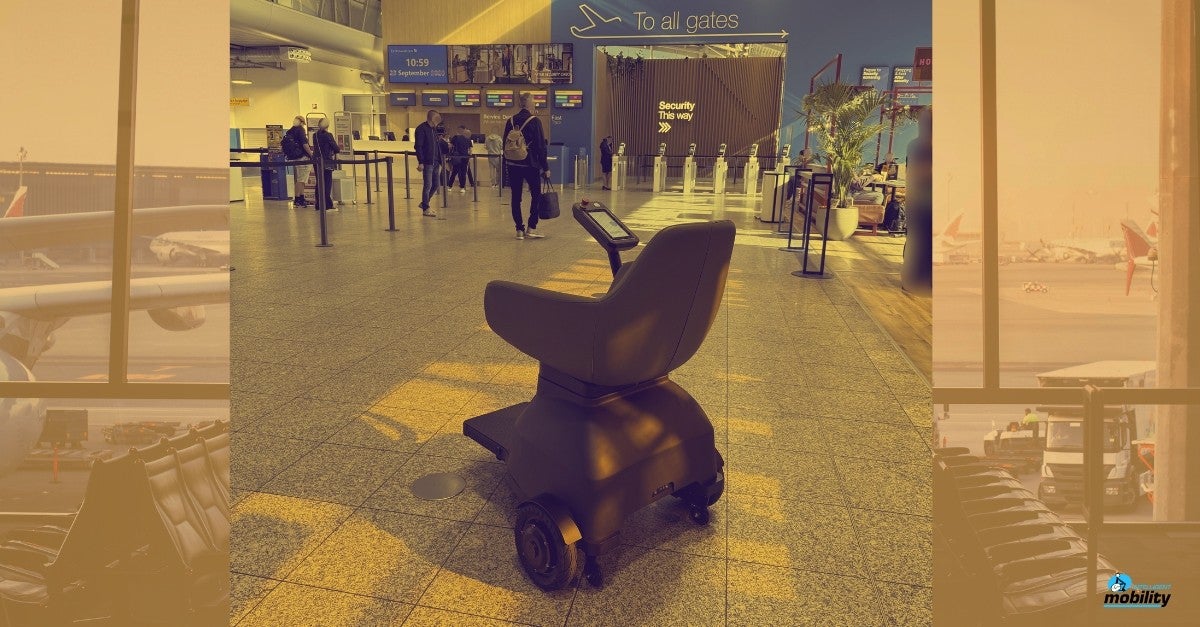
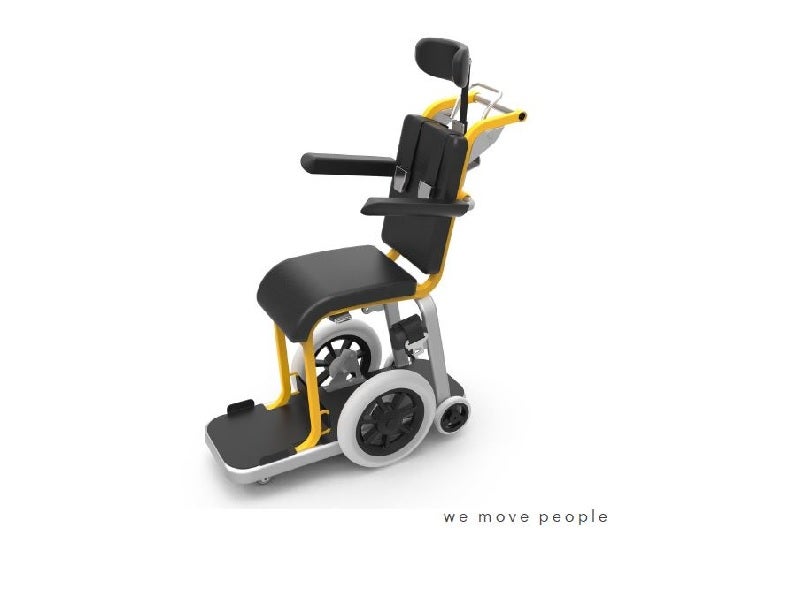
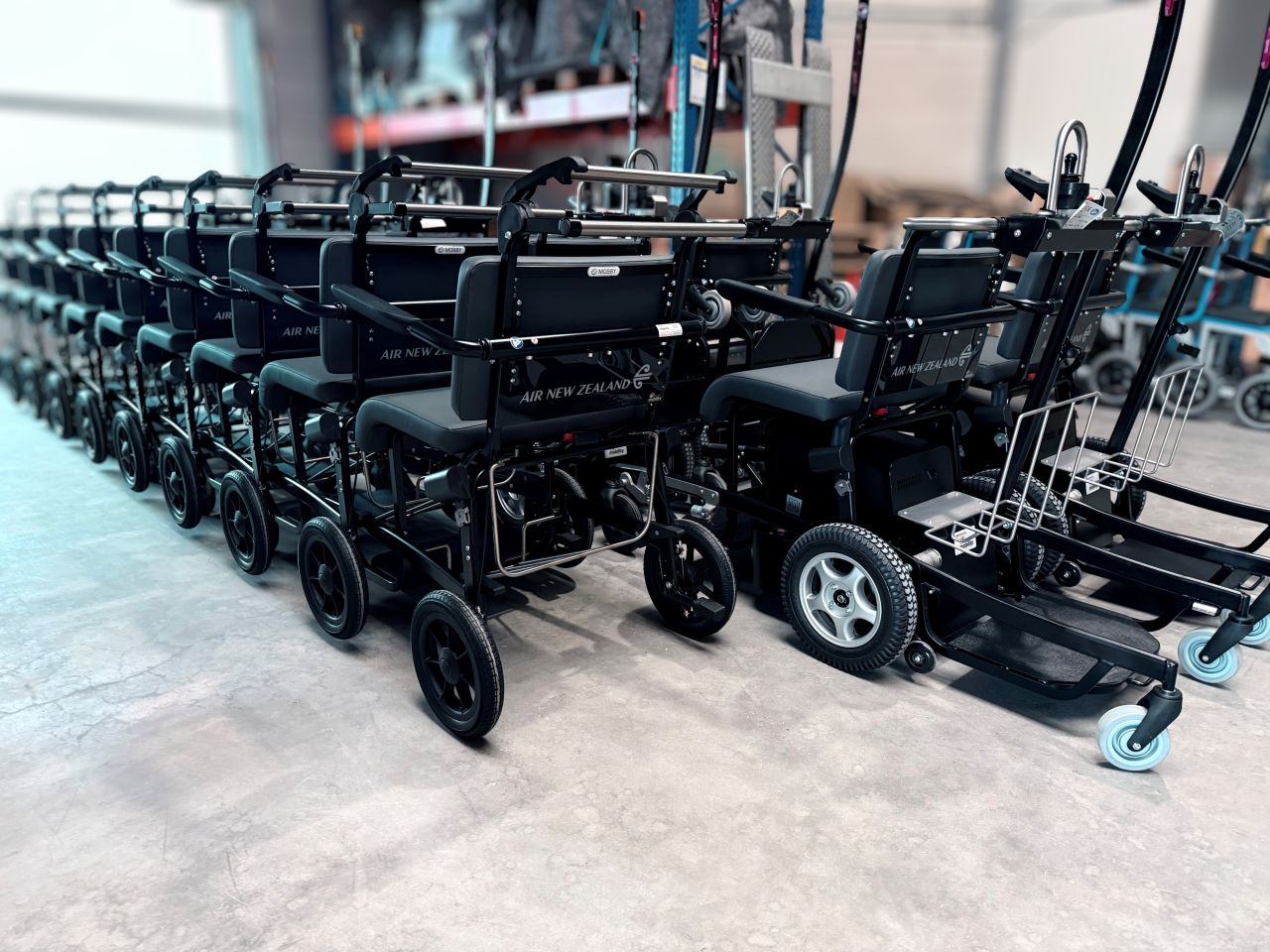
Autonomous assistance is no longer a futuristic concept in airport environments. The technology is maturing, pilots are running, and expectations are quietly rising. But what we see across conversations with airports and service providers is that the real discussion has shifted.
It is no longer about whether autonomy is possible. It is about where, how, and under what conditions it actually adds value.
From a technical standpoint, a lot is already feasible. Navigation, obstacle detection, routing, and integration with existing infrastructure have come a long way. Yet autonomy in assisted travel does not live in a vacuum. It has to operate inside real-world processes, peak pressure, mixed traffic, and clear accountability structures.
What stands out in current discussions is that the biggest questions are rarely technological. They are operational and organisational. Who intervenes when something deviates? How does autonomous support hand over to human assistance? How do safety, liability and passenger confidence scale beyond a pilot environment?
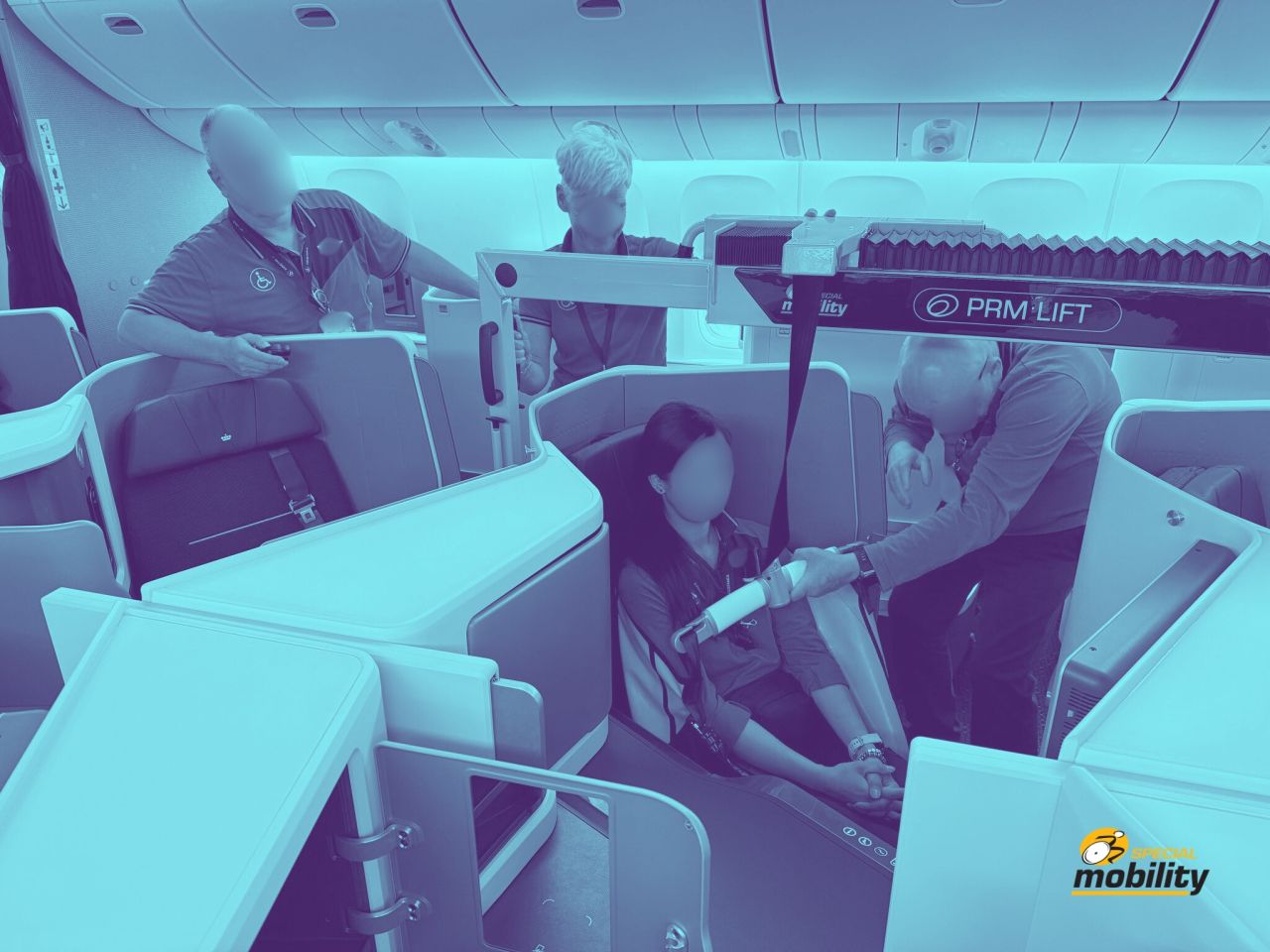
Another important shift is expectation management. Airports are increasingly realistic. Autonomy is not seen as a replacement for people, but as a way to remove repetitive load, stabilise flows, and create space for human attention where it matters most. Especially in assisted travel, dignity and reassurance remain human-centred, even if parts of the journey become more automated.
From a producer’s perspective, this phase is critical. The value of autonomous assistance will not be defined by the first successful demo, but by how well it integrates into daily operations, governance and training frameworks. The airports that benefit most will likely be those that treat autonomy as an operational capability, not a standalone innovation.
The next step for autonomous assistance is therefore not louder promises, but quieter alignment: between technology, processes and people.
𝐖𝐞𝐬𝐥𝐞𝐲 𝐇𝐮𝐛𝐞𝐫𝐬 Sales Manager, Special Mobility
𝘍𝘰𝘤𝘶𝘴𝘦𝘥 𝘰𝘯 𝘱𝘳𝘢𝘤𝘵𝘪𝘤𝘢𝘭, 𝘴𝘤𝘢𝘭𝘢𝘣𝘭𝘦 𝘢𝘴𝘴𝘪𝘴𝘵𝘦𝘥 𝘵𝘳𝘢𝘷𝘦𝘭 𝘴𝘰𝘭𝘶𝘵𝘪𝘰𝘯𝘴 𝘧𝘰𝘳 𝘢𝘪𝘳𝘱𝘰𝘳𝘵𝘴