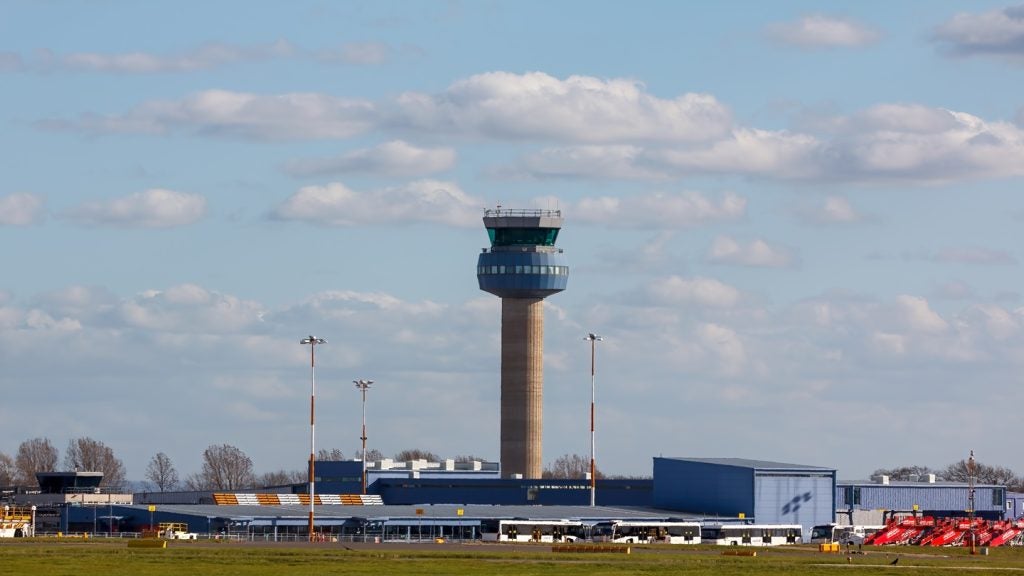


Tampa International Airport (TPA), in partnership with Sotereon.AI, has initiated the deployment of Aeva's 4D LiDAR technology, a move aimed at enhancing airport operations and improving passenger safety and experience.
This initiative is part of Sotereon.AI’s objective to integrate “advanced” spatial intelligence into major US airports and transit hubs, utilising LiDAR technology alongside its Overwatch analytics software platform.
Aeva's frequency modulated continuous wave (FMCW) 4D LiDAR sensors will enable TPA to gather real-time data and facilitate long-range perception for various operational and security applications.
Sotereon.AI CEO and co-founder Patrick Blattne said: “By combining Aeva’s world-class 4D LiDAR-on-chip technology with our leading spatial intelligence platform, we’re delivering insights to infrastructure operators that weren’t possible before.
“Whether it’s securing our airports, optimising vehicle and passenger traffic flow, or tracking tarmac operations, we now have a more comprehensive live operational view that allows airport stakeholders to make faster, smarter decisions.”
The implementation of Aeva's technology at TPA is expected to support several key functions.
Firstly, it will assist in intelligent infrastructure management, focusing on the safety of airport facilities, including monitoring for unauthorised access and early detection of potential fire hazards.
Additionally, the system will enhance traffic management on airport roads, aiming to alleviate congestion and streamline vehicle flow.
Secondly, the 4D LiDAR data will be utilised for passenger monitoring and security, allowing airport operations and security teams to respond effectively to safety incidents.
The technology may also improve threat detection at security checkpoints and facilitate tracking of passenger luggage.
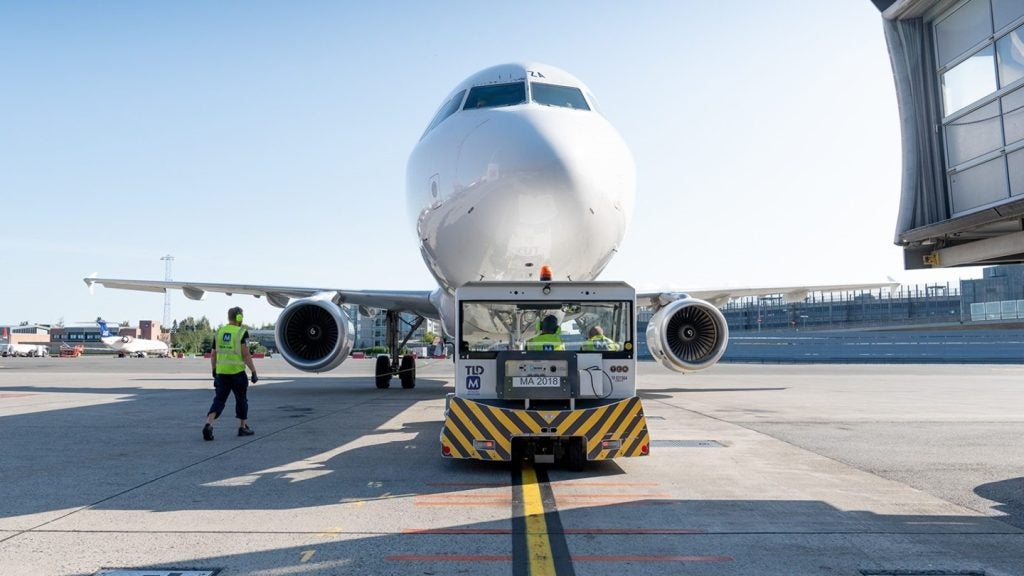
Lastly, the technology will enhance airside and tarmac operations by monitoring vehicles and equipment, employing LiDAR for object classification. This will aid in identifying safety hazards, particularly in areas near restricted zones around jet engines.
The previous implementations of the technology include major airports, such as John F. Kennedy International Airport’s New Terminal One.
Aeva business development managing director James Byun said: “Aeva’s mission is to bring the next wave of perception to the physical world—and Tampa International Airport is another leading example of what’s possible with our flexible technology platform.”
In 2022, TPA implemented biometric screening at select departure gates to improve safety and efficiency during boarding.