
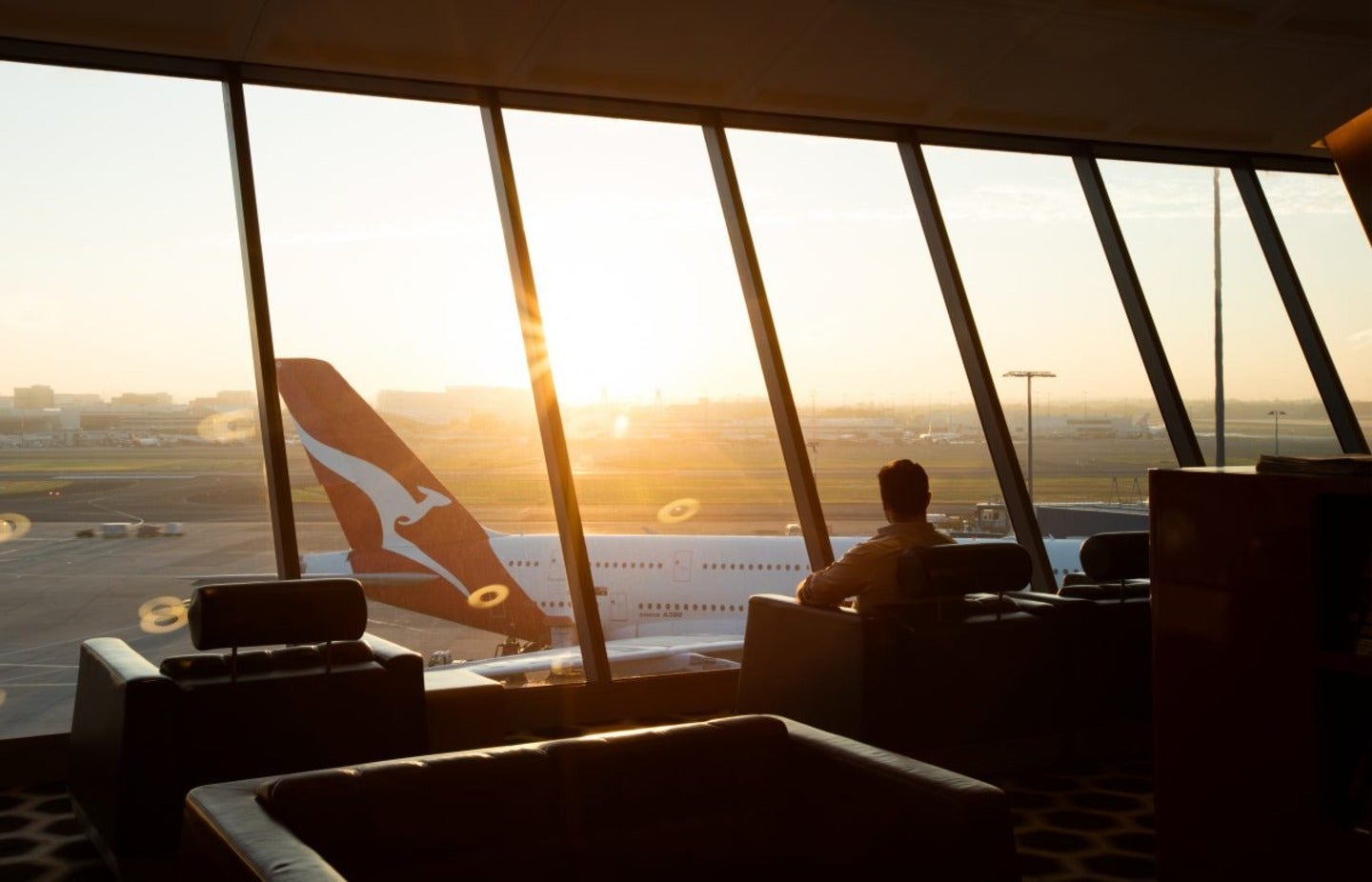
Australia’s flag carrier airline Qantas has announced further expansions to the capacity of its international flights as it aims to go beyond its target to reach pre-COVID levels by March 2024.
The airline will be using additional Airbus A380s returning to its fleet to increase capacity on five routes starting in July 2024, adding more than 250,000 extra seats to flights to the US, Asia, Africa and New Zealand.
Go deeper with GlobalData


Discover B2B Marketing That Performs
Combine business intelligence and editorial excellence to reach engaged professionals across 36 leading media platforms.
Qantas International CEO Cam Wallace said: “Hundreds of thousands of extra seats on our network is great news for our customers planning their next overseas trip.
“The additional capacity will largely be made possible through our final two A380s returning to the Qantas fleet following heavy maintenance and cabin improvements.”
The additional flights and use of larger aircraft will largely affect routes in and out of Sydney, with more flights to Los Angeles and on the Sydney-Auckland-New York route, plus the use of larger planes on flights to Bali and Johannesburg.
Notably, the Qantas announcement follows comments from Sydney airport’s CEO, Geoff Culbert, who noted the USA and New Zealand as two destination markets lagging in their recovery due to low seat capacity.
Culbert made the comments after the publication of Sydney Airport’s traffic performance report for July 2023, which showed that the airport’s international recovery had overtaken domestic recovery for the first time since pandemic restrictions eased.
However, Culbert said: “The underlying result on passenger traffic for July is mixed. The headline result for international passengers is encouraging, but it’s a two-speed recovery, with strong growth from China, Korea [Republic] and India offset by lagging markets like the USA and New Zealand.
“The lag is being driven by a lack of seat capacity rather than a lack of demand. Additionally, seats from the Middle East remain well below pre-COVID levels, down 27% on July 2019.”
The CEO blamed airlines holding onto unused slots for the stagnant numbers regarding domestic activity, citing a “persistent mismatch between slots held by domestic airlines and the schedule that is flown”.
That sentiment was echoed by Melbourne Airport CEO Lorie Argus, who called for an ‘open skies’ approach to allow more airlines to operate in Australia.
Qantas’ international expansions come amid its major fleet replacement programme, which included an order for nine A220-300s from Airbus at the Paris Air Show earlier this year.



