

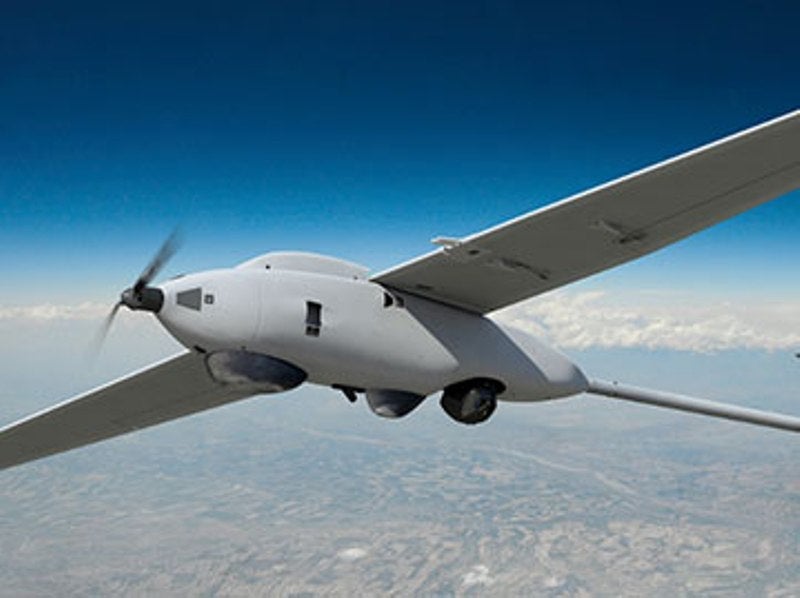
Research by the Australian Transport Safety Bureau (ATSB) has revealed that the number of encounters between remotely piloted aircraft systems (RPAS) or drones and manned aircraft is increasing in the country.
According the research report, around half of the 180 occurrences from 2012 to last year involved proximity encounters with manned aircraft.

Discover B2B Marketing That Performs
Combine business intelligence and editorial excellence to reach engaged professionals across 36 leading media platforms.
Of the 108 incidents involving manned aircraft reported last year, 69 were related to RPAS encounters.
However, the newly published research finds no reported collisions between RPAS and manned aircraft in Australia.
ATSB chief commissioner Greg Hood said: “Our report seeks to better understand the implications for transport safety associated with the expected continual growth in the number of RPAS in Australia.
"A collision between a RPAS and a general aviation aircraft’s windscreen poses a high risk of penetration.”
US Tariffs are shifting - will you react or anticipate?
Don’t let policy changes catch you off guard. Stay proactive with real-time data and expert analysis.
By GlobalDataThe agency also noted that RPAS operation requires close monitoring as the popularity of these aircraft is increasing rapidly.
Hood added: “Based on our knowledge of birdstrikes, RPAS collisions with high-capacity air transport aircraft could lead to an engine ingestion in about 8% of strikes.
“RPAS also have the potential to damage a general aviation aircraft’s flight surfaces (wings and tail), which could result in a loss of control.
“Similar to the impact from a large bird, a collision between a RPAS and a general aviation aircraft’s windscreen poses a high risk of penetration.”
ATSB is currently acting as Australia's national transport safety investigator and contributes to transport safety by investigating, analysing and reporting on transport safety matters.
Image: A remotely piloted aircraft system flying in the sky. Photo: courtesy of Australian Government.


