
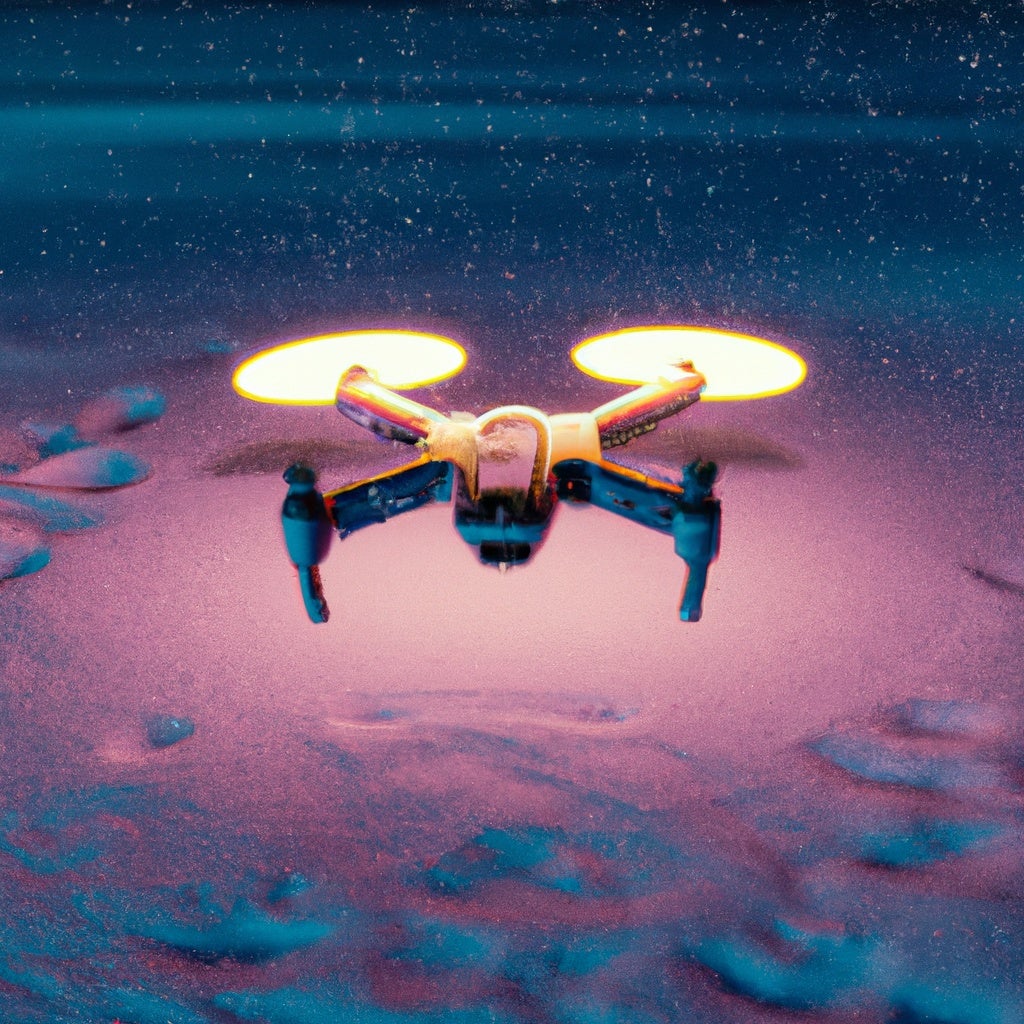
CAV Ice Protection, a global supplier of airborne ice protection solutions, has filed for a patent for an anti-icing solution for small uncrewed aerial systems (sUAS) that it claims could revolutionise commercial drone use in cold climates.
Engineers at the County Durham-based manufacturer, which is part of the CAV Systems Group, have designed a concept ice protection system (IPS) that prevents ice from building up on the rotor blades of a drone or sUAS.
Go deeper with GlobalData


Discover B2B Marketing That Performs
Combine business intelligence and editorial excellence to reach engaged professionals across 36 leading media platforms.
With the rise in popularity of small uncrewed aircraft and drones, ensuring that flight operations aren’t impacted by poor weather conditions is crucial – especially as the market is changing from being centred on hobbyists and the defence industry to wider sectors, such as medical, retail and logistics.
“This is an industry first, nobody has previously demonstrated an ice protection system that works for this size of aircraft, and we’re not aware that anybody else is working on one,” said Alex Baty, CAV Systems VP of Engineering.
“Our testing has seen the effects of icing on a propeller will cause a 50% reduction in lift generation after just three minutes, which underlines the impact that icing can have on sUAS.”
CAV Systems’ solution works by distributing freezing-point depressant fluid across the leading edges of a carbon-fibre blade that is typical to smaller aircraft.
Testing of the system began with a single 18” diameter motor and propeller assembly and progressed to an Octocopter. Further tests using models with and without the IPS in an icing wind tunnel to simulate freezing conditions also secured positive results.
During these tests, the application of the CAV IPS reduced lift of the model by as little as 10% with small changes to power, compared to the build-up of ice causing a 50% reduction of lift and doubling of electrical power consumption without the ice protection in place.
A live icing flight test is scheduled to commence in March in Colorado in association with a major regulatory body.


