
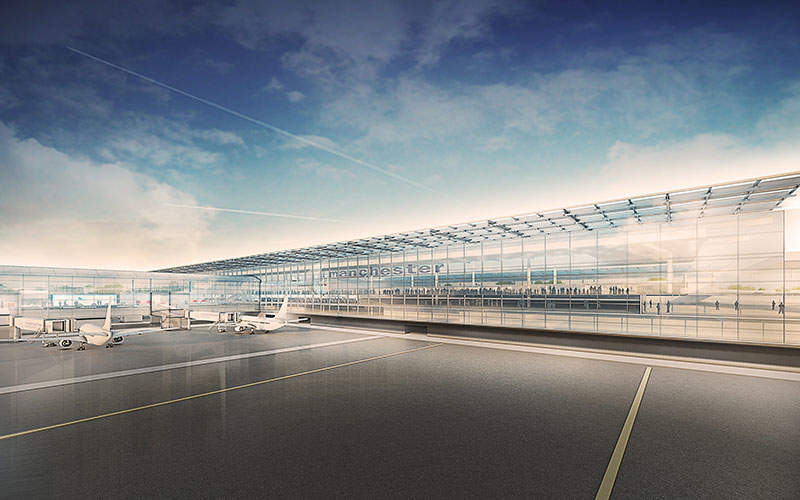
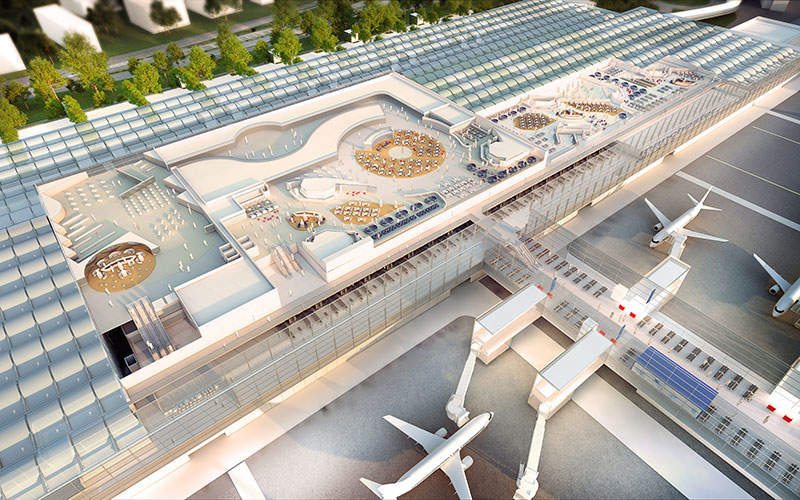
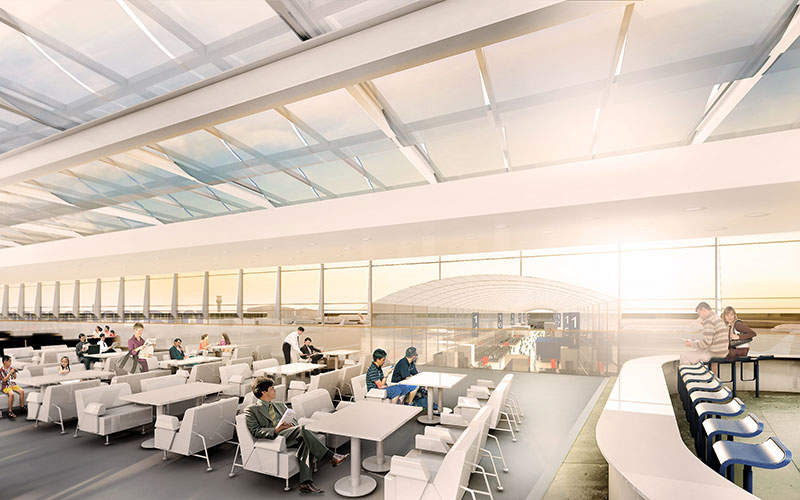
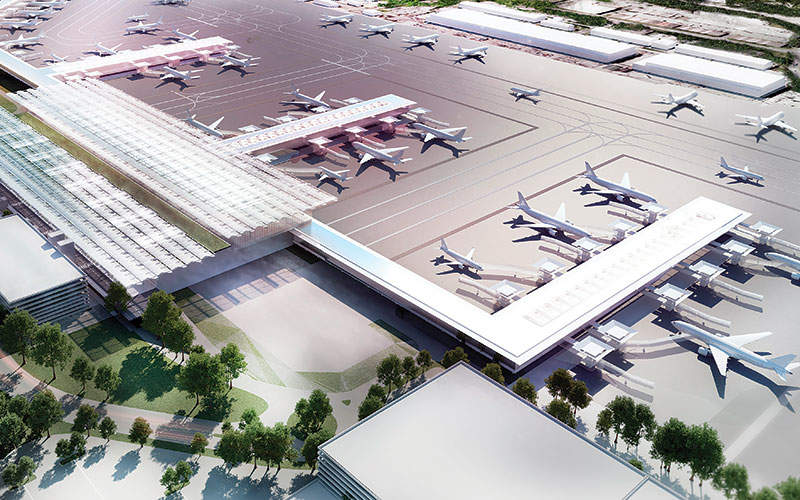
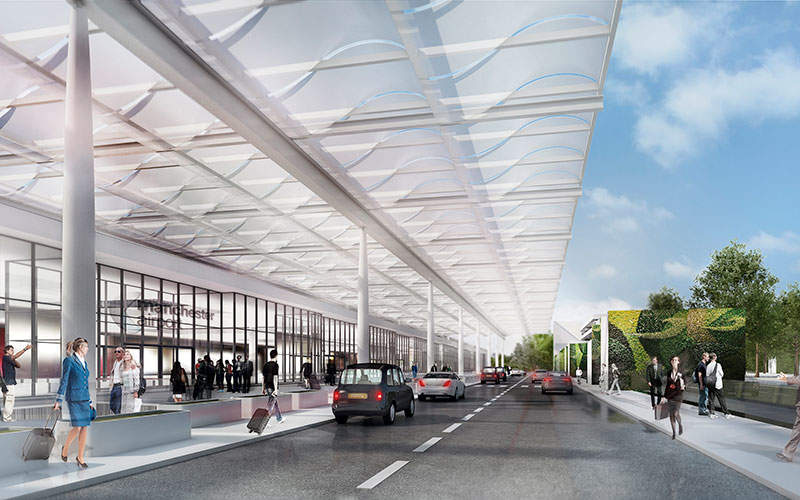
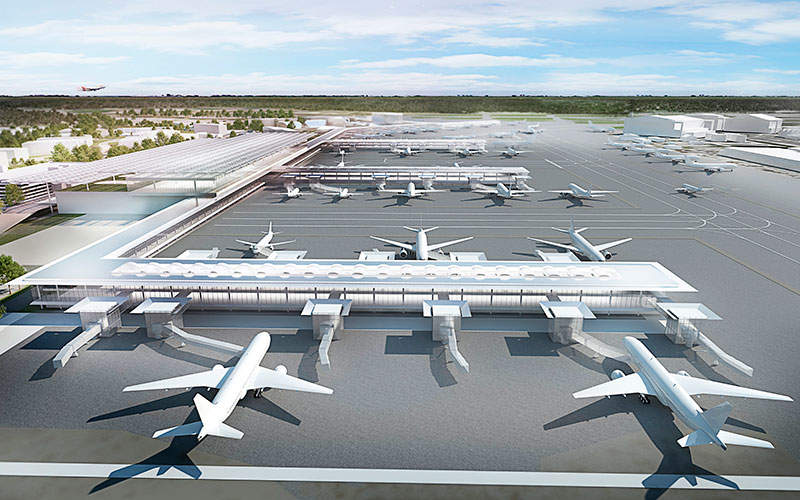
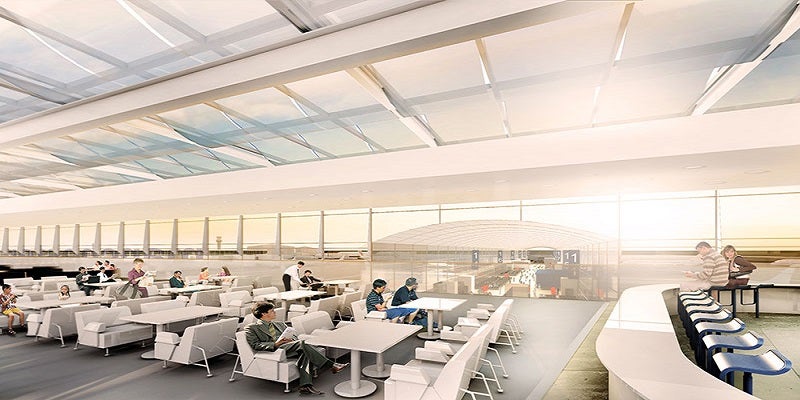
A ten-year investment programme was launched at Manchester Airport in June 2015 by Manchester Airports Group (MAG), the biggest UK-owned airport operator. The Manchester Airport Transformation Programme is aimed at transforming the airport to offer better customer experience and ensure that it continues to perform as a national asset and a global gateway for northern England.
The £1bn ($1.39bn) programme comprises a series of 60 enhancements that will increase the airport’s passenger capacity from the current 20 million passengers a year to 30 million passengers a year by 2025.
Recommended White Papers
Recommended Buyers Guides

The airport will be upgraded with new facilities that bring a combination of contemporary look and feel, as well as provide state-of-the-art services.
The expansion programme is expected to create 20,000 direct and 25,000 indirect jobs.
Project background of the airport transformation
One of the busiest airports in the UK, Manchester Airport serves approximately 70 airlines, 210 short and long-haul destinations and more than 20 million passengers a year.
The proposed programme will adapt, modernise and transform the airport with contemporary elements and future-proof services. It will make the airport more efficient, provide greater flexibility and resilience to the passengers and ensure a comfortable and easier journey to and from the airport.
Manchester Airport Transformation Programme details
The programme includes multiple expansion, renovation and development projects. Terminal 2 will be expanded and reconfigured and will be converted into the airport’s primary terminal building. Terminal 3 will be improved to meet the increased traffic.
New and bigger airside transfer facilities, including the direct linkage between Terminals 2 and 3, will be created. A new US pre-clearance facility will be developed for passenger immigration, customs, and agricultural inspection by US Customs and Border Protection (CBP). A new and bigger security hall, equipped with latest technology, will be created to screen more passengers quickly.
Customer-centric enhancements include installation of new self-service check-in facilities and introduction of 50 retail, food and beverage outlets.
The operational environment of the airport will be future-proofed to meet the evolving airline and security needs.
New stands and piers will be developed to offer better departure facilities. The surface access road system will also be improved to ease the transportation to and from the airport.
Construction details
The project will be executed in ten years in a phased manner to minimise disruption to regular airport operations. The enhancements and expansion will take place within the premises and be in accordance with the guidelines defined in the airport master plan.
Contractors involved with the Manchester airport transformation programme
Jacobs Engineering Group, based in California, was contracted to provide multi-disciplinary engineering and select architectural services for the project, in February 2016. The contractual scope includes providing engineering and architectural services for new and upgraded facilities, including terminal, piers, airfield, multi-level car parks and surface access facilities.
London-based architectural firm Pascall+Watson has been appointed to provide architectural design services for the project, in July 2015. The contract to supply design services for the detailed stages of the project was further extended in December 2015. The same firm was appointed to conduct the feasibility study for the transformation programme.
Dutch design and consultancy firm Arcadis has been appointed as the sole-managed service provider for the project. The company is responsible for managing the entire transformation project, commercial, risk, value management and design guardianship, as well as supporting the airport operator in the wider stakeholder management.
