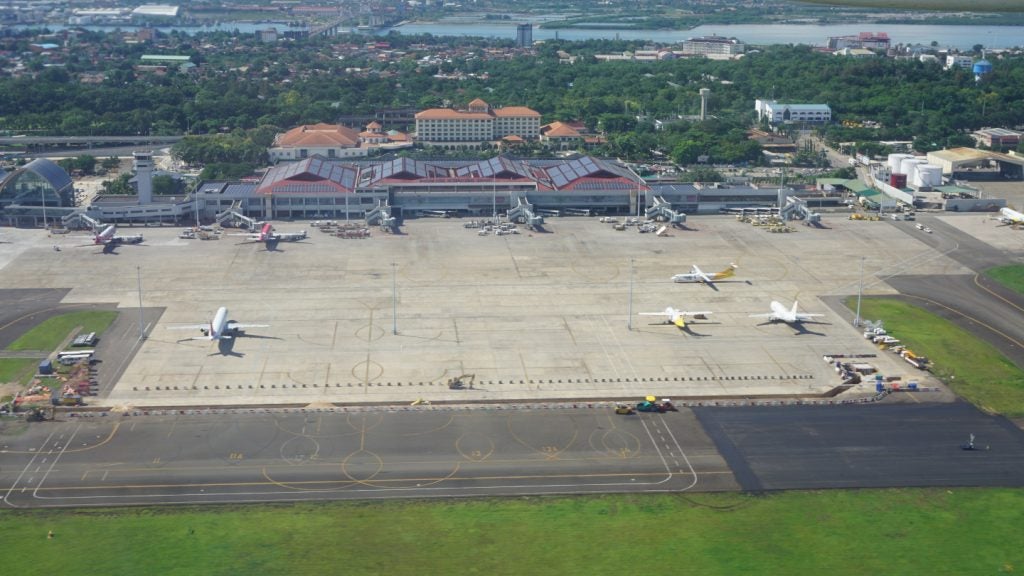

MBS International Airport is situated in the region of Freeland in Michigan, USA. The airport serves the three cities of Midland, Bay City and Saginaw, and was formerly called Tri City Airport. Its name was changed in 1994 to MBS, representing each city with its first initial. The airport was established in 1943 and operations began in 1946.
MBS International is one of the busiest commercial airports in Michigan and is owned by Bay County and the cities of Midland and Saginaw (controlled by MBS International Airport Commission). The airport covers a site of 3,200 acres (13km²) and has two runways (5/23) 8,002ft × 150ft (2,439m × 46m) and (14/32) 6,400ft × 150ft (1,951m × 46m).
Recommended White Papers
Recommended Buyers Guides
MBS international airport passenger numbers
MBS handled 241,748 passengers in 2016. It was formerly the third-busiest airport in Michigan but has been losing business to nearby Bishop International Airport in Flint, which can offer more flights and cheaper fares.
It was hoped that a new terminal project at MBS would regenerate the airport’s fortunes and increase passenger numbers.
Commission chairman Dr Ken Distler commented: “With a state-of-the-art airport terminal, we will be well-positioned for economic growth.
“The new MBS will give us the efficiency, convenience and image we need for the market access and quality of life we want in mid-Michigan.”
The airport commissioned a study in 2005 from the Boyd Group / ASRC of Evergreen, Colorado, which estimated that the economic benefit of MBS International Airport to the tri-county area of Midland, Bay and Saginaw is more than $100m a year.
New MBS airport terminal
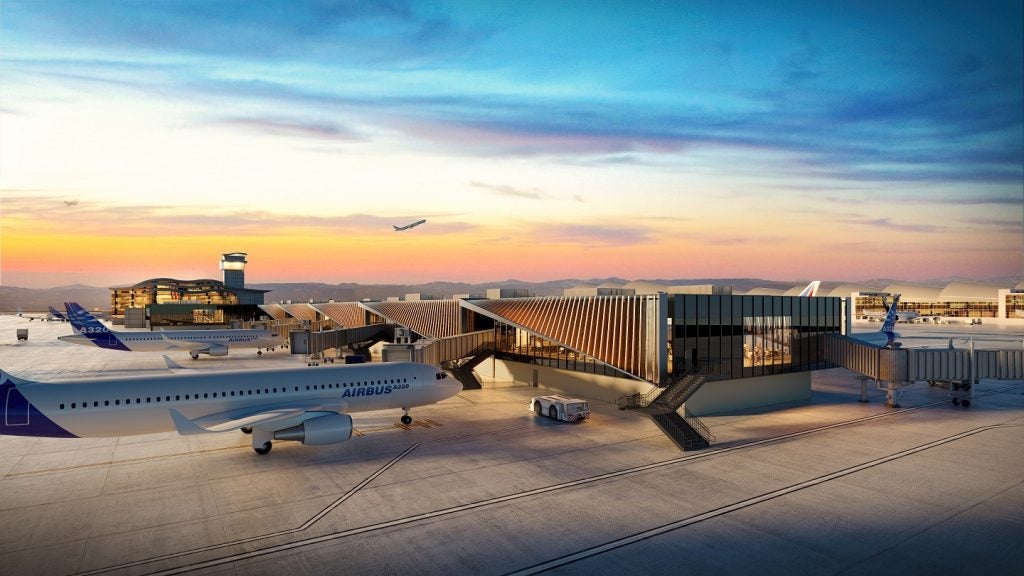
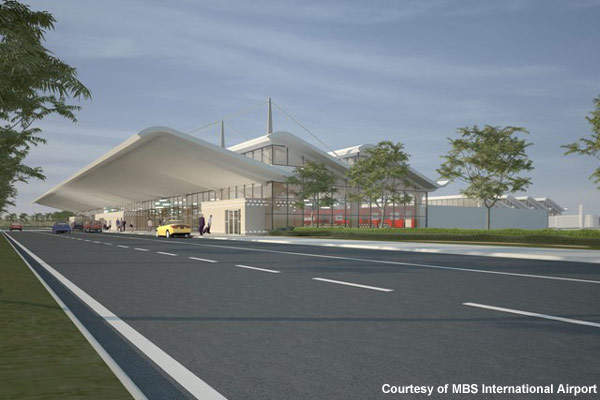
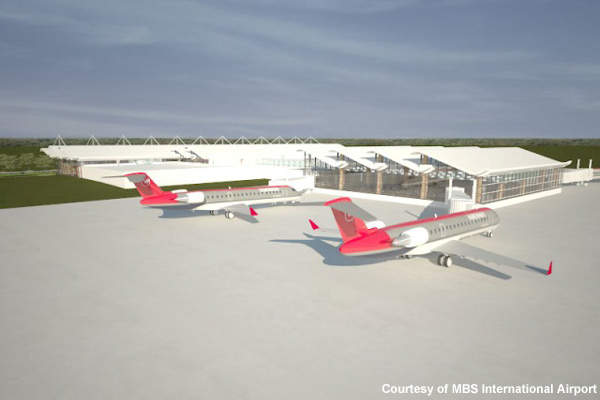
On 19 September 2008, the nine-member Airport Commission of MBS International announced the approval of plans for a new state-of-the-art passenger terminal (with a flowing wave-shaped glass roof).
The new 75,000ft² (7,000m²) terminal building was designed by aviation architect Reynolds Smith & Hills of Jacksonville, Florida and required an investment of around $48m. The project was qualified for the US Federal Aviation Administration’s (FAA) improvement programme.
The new terminal project was put forward because it was determined that the old terminal building, which opened in 1965, would be too difficult to extend and remodel. The construction just north of the current terminal began in 2008 and was completed by 2012.
The construction of the terminal speeded up after a grant from FAA was sanctioned in April 2009. By the end of 2009, the site of the new terminal was cleared and fenced, and water and sewer services had been provided.
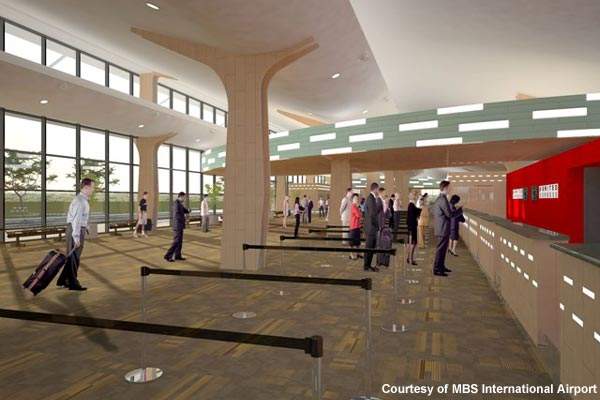
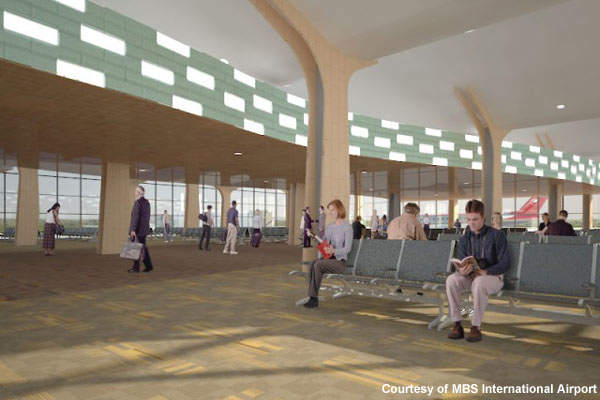
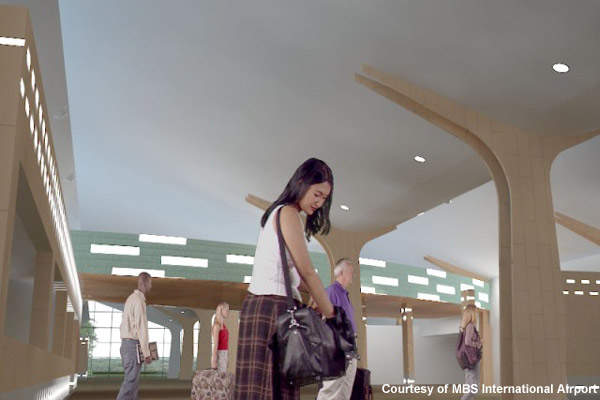
The new steel-and-glass terminal adopts green principles using natural daylight as much as possible, as well as sustainable materials such as local white pine and other timber to reflect the lumber industry past of the Saginaw Valley. Recycled building materials will also be used.
The terminal construction adopts some leadership in energy and environmental design from the US green building council (LEED) principles without seeking formal certification.
MBS improvement programme progress
The FAA provided $1.6m of funding toward the project, which has been used to install water and sewer services and purchase 115 acres of land for the new terminal project. On 2 April 2009, the airport commission announced that the airport would receive an additional $12.7m grant from the FAA to continue the construction of the new terminal.
Other related projects funded by the FAA grant include relocating ground radio antennas on the airport site and hiring architects Reynolds Smith & Hills.
Funding from the FAA made up around 70% of the total cost of the new terminal project and the State of Michigan provided match funding of 2.5%. The MBS provided the remaining $10m of funding for the terminal.
MBS terminal features
The new terminal has a number of updated features. Passengers have are able to choose from a range of meals and drinks on both sides of the security checkpoints from the new food concessions and gift kiosks.
There is a larger, more efficient baggage claim area than the old facility and a 10,000ft² larger passenger security screening to avoid delays.