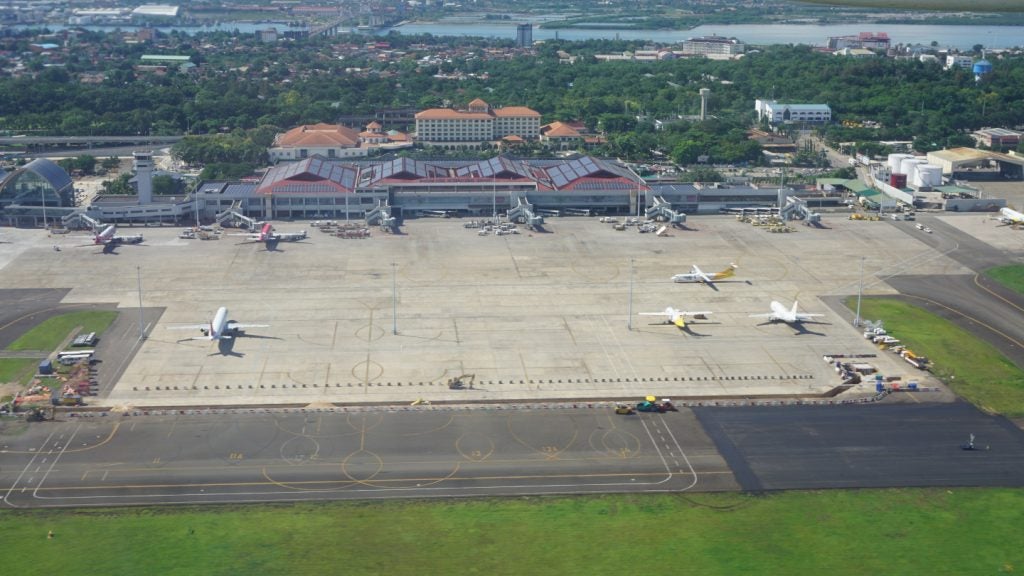
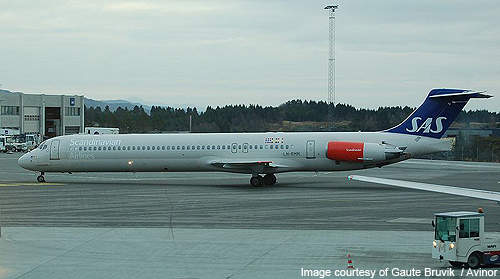
Bergen Airport, Flesland, is located south-west of Bergen, Norway. Also known as Flesland Air Station, it is the second busiest airport in Norway and was initially operated by the Norwegian Air Force before it was taken over by Avinor.
The airport handled six million passengers and 101,456 aircraft movements in 2014. It currently acts as a hub for Bergen Air Transport, Norwegian Air Shuttle and Widerøe.
Recommended White Papers

Recommended Buyers Guides

Plans to build the airport were initiated in 1937. The plans were finalised in 1952 and the airport opened in 1955. The project was financed by Nato, and has served military aircraft for several years.
Expansions at Bergen Airport, Flesland
Increases in passenger traffic have necessitated the expansion of the airport. As part of the expansion, a new terminal was opened in 1988 and a new control tower was built in 1991. The operator has decided to spend Nkr461m to upgrade the airport. The renovation works include the construction of new operational buildings, and expansion of the international terminal and aircraft parking.
Ground radar, secondary radar and a runway centre light were installed. The first phase works included expansion of the international terminal and parking. This phase was concluded in 2011.
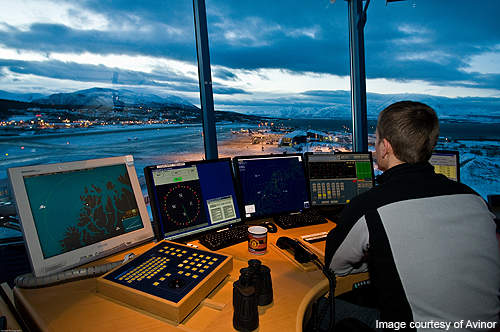
A multilateration system and vehicle locator supplied by New York-based Sensis Corporation were installed at the airport. The multilateration system provides air traffic controllers based on aircraft positions, as well as identifies information in extreme weather conditions.
Avinor selected Team_T3 comprising COWI, Norconsult, Aas-Jacobsen and Per Rasmussen for the construction of additional terminal infrastructure.
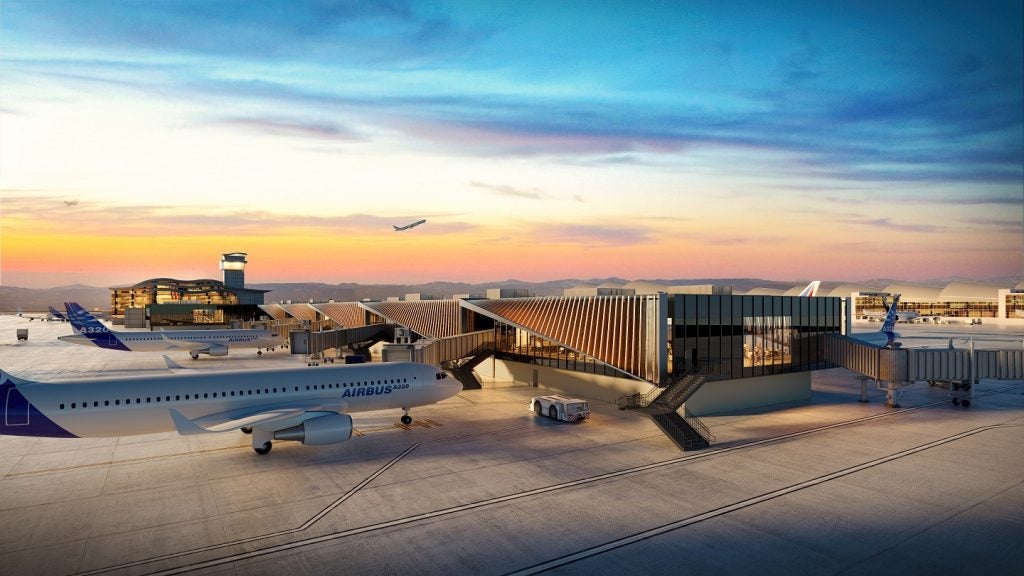
COWI and its partners is responsible for the construction of a new 65,000m2 Terminal 3 and relocation of taxiways. The new terminal will have a capacity to handle 7.5 million passengers a year once fully operational by 2017.
Upon completion of the expansion, the airport will feature 30 aircraft stands, 15 of which will offer direct access from the terminal and the rest will have remote access.
Bergen Airport terminal details
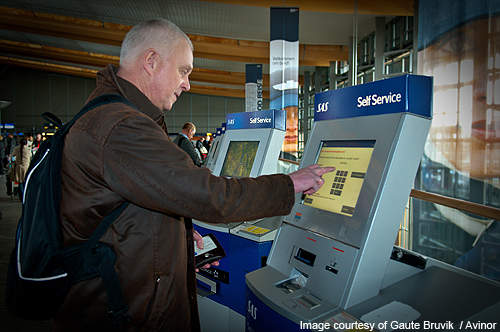
The airport currently has a single passenger terminal building featuring 11 gates with jet bridges. The terminal was designed by Halfdan Grieg and opened in 1988.
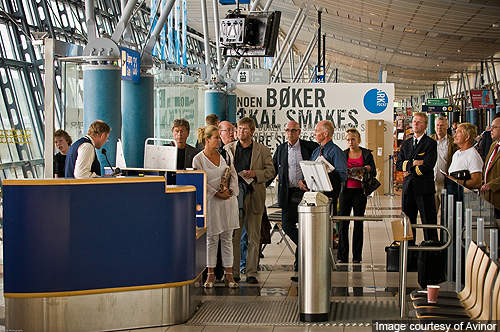
The first floor of the terminal accommodates an arrivals hall. A currency exchange service and information counters are to be found in the arrival hall. The Avinor service centre provides flight information and the arrival hall features five meeting rooms for small to medium-sized gatherings.
The second floor of the terminal has a ‘De 7 fjel’ conference centre. Eateries and ATM facilities are located throughout the airport. The four-star Clarion Hotel Bergen Airport was opened near the terminal in April 2007.
The airport also features a helicopter terminal next to the main terminal building. The heliport serves the oil platforms of the North Sea region and approximately 230,000 offshore oil workers use the helicopter terminal each year.
Runway
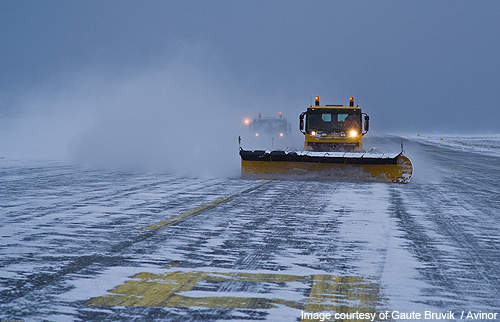
The airport has a single runway 17/35, which is 2,990m-long and surfaced with asphalt and concrete.
Parking at Bergen Airport
The airport offers approximately 3,500 parking spaces, 1,500 of which are located opposite the terminal and the remaining near the terminal building. The parking garage at the airport is categorised into eleven parking slots, six of which are dedicated for reserved parking, four for long-term and two for short-term parking.
The P0, P2 and P4 parking lots are dedicated to short-term parking. P0 lies between the entrance of the terminal and the parking garage, and includes three parking spaces for disabled passengers. P2 is situated on the ground floor of the parking garage and P4 lies outside the main entrance to the hotel.
The long-term parking lots are P1, P5, P6, P8 and P9. P5 and P6 are located close to both the terminal and hotel while P9, situated 500m from the airport, offers parking at cheaper rates.
A separate area on the ground floor is dedicated for P3, where permanent spaces are rented in the parking garage.
The P10 and P11 parking slots are dedicated for the helicopter terminal. The short-term parking of the helicopter terminal includes 30 spaces, two of which are allotted for disabled passengers. The long-term parking at the terminal features 180 spaces.
Ground transport for Bergen Airport
These are numerous buses, taxis and cars operating to and from the airport. Taxis are available outside the arrivals hall. The Bergen Light Rail system will connect the airport with the city and is expected to be operational by the end of 2015.