Smart Airport Systems provides sustainable ground-support solutions that reduce fuel use, emissions, and noise, helping airports move toward zero ground emissions.
Zero Ground Emissions
Zero Ground Emissions is an airport operation that aims to eliminate emissions during ground time, taxiing, turnaround, and handling.
By replacing fuel-based systems with electric alternatives, TaxiBot® for taxiing, PCA and 400Hz units for APU-off and electric GSE, the approach reduces CO₂ and particle emissions. It improves air quality, reduces noise and fuel costs, and helps meet environmental targets.
Impact of our solutions
SAS is a pioneer in Sustainable Taxiing with the TaxiBot® and PCA. SAS’s innovative products integrate the latest unique technologies, enabling airlines and airports to improve their operational efficiency while paving the way for a greener future.
Sustainable taxiing – ENG OFF
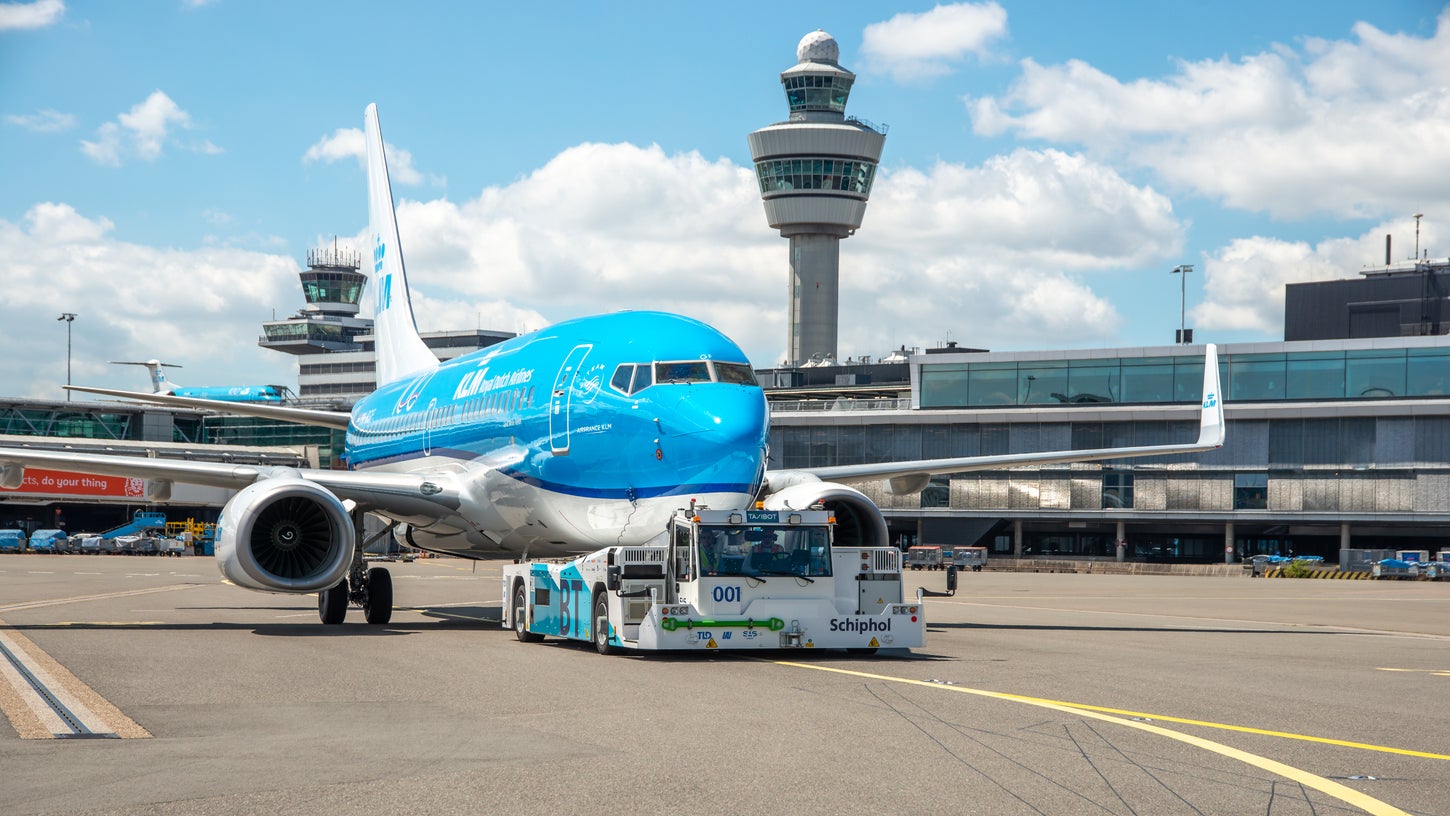
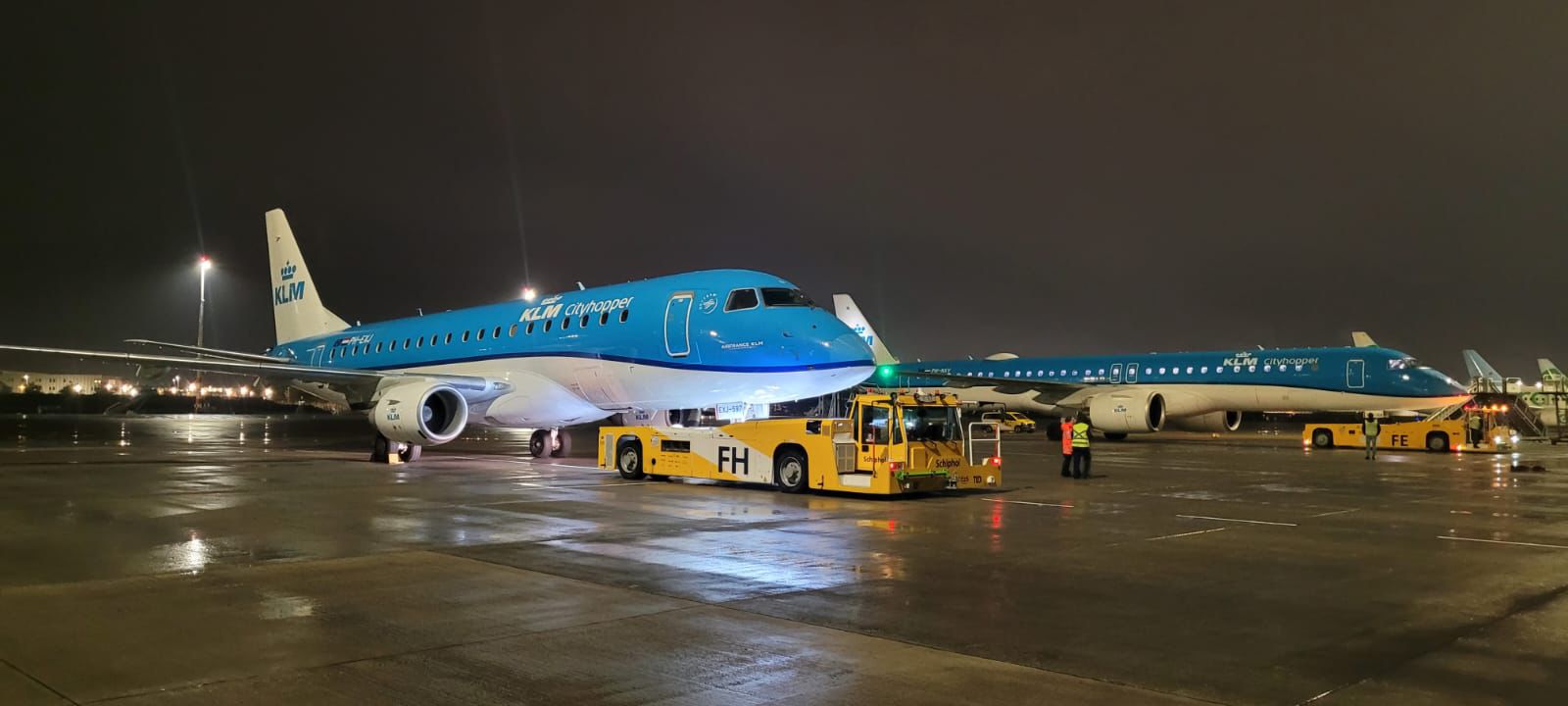
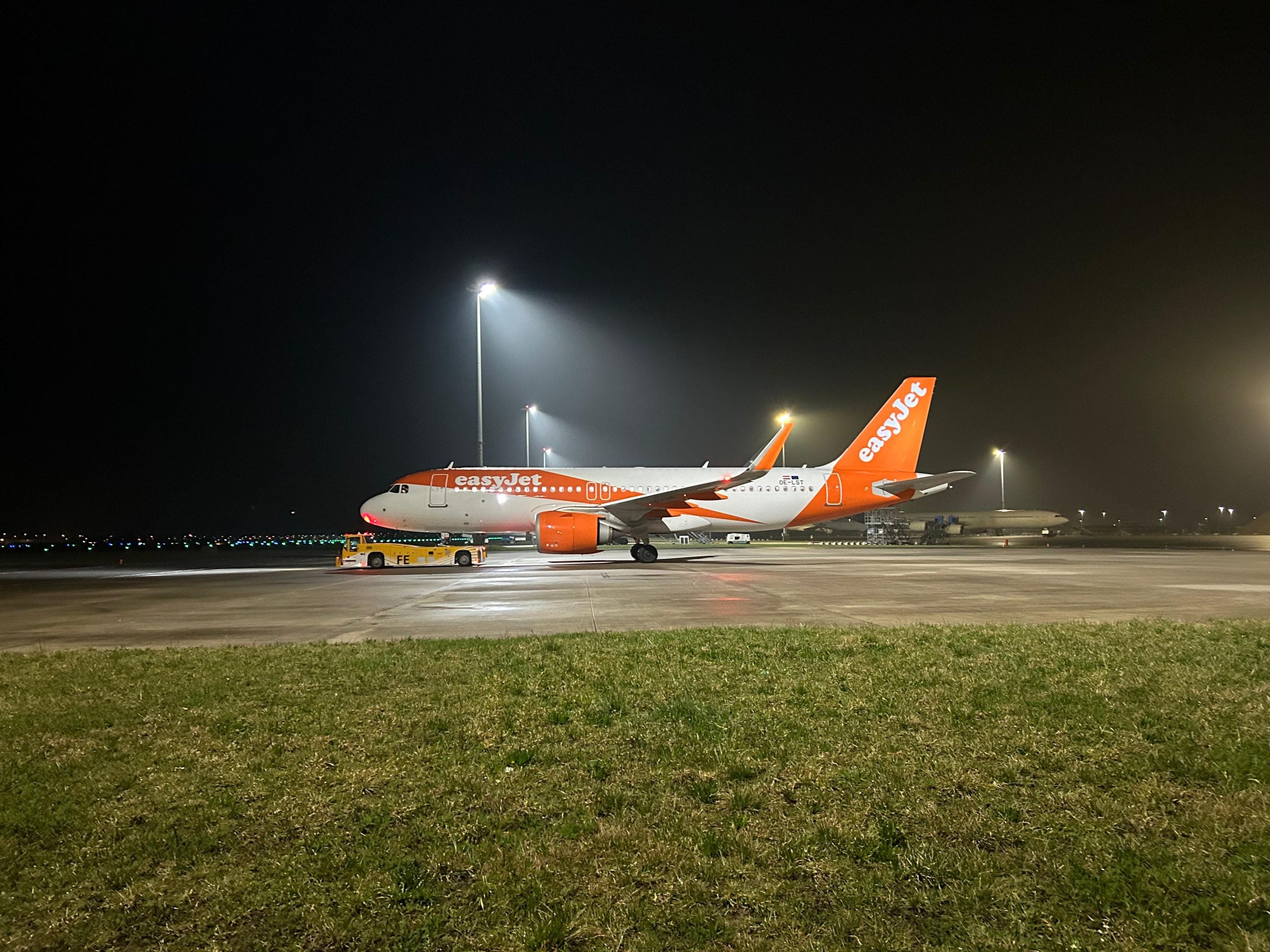
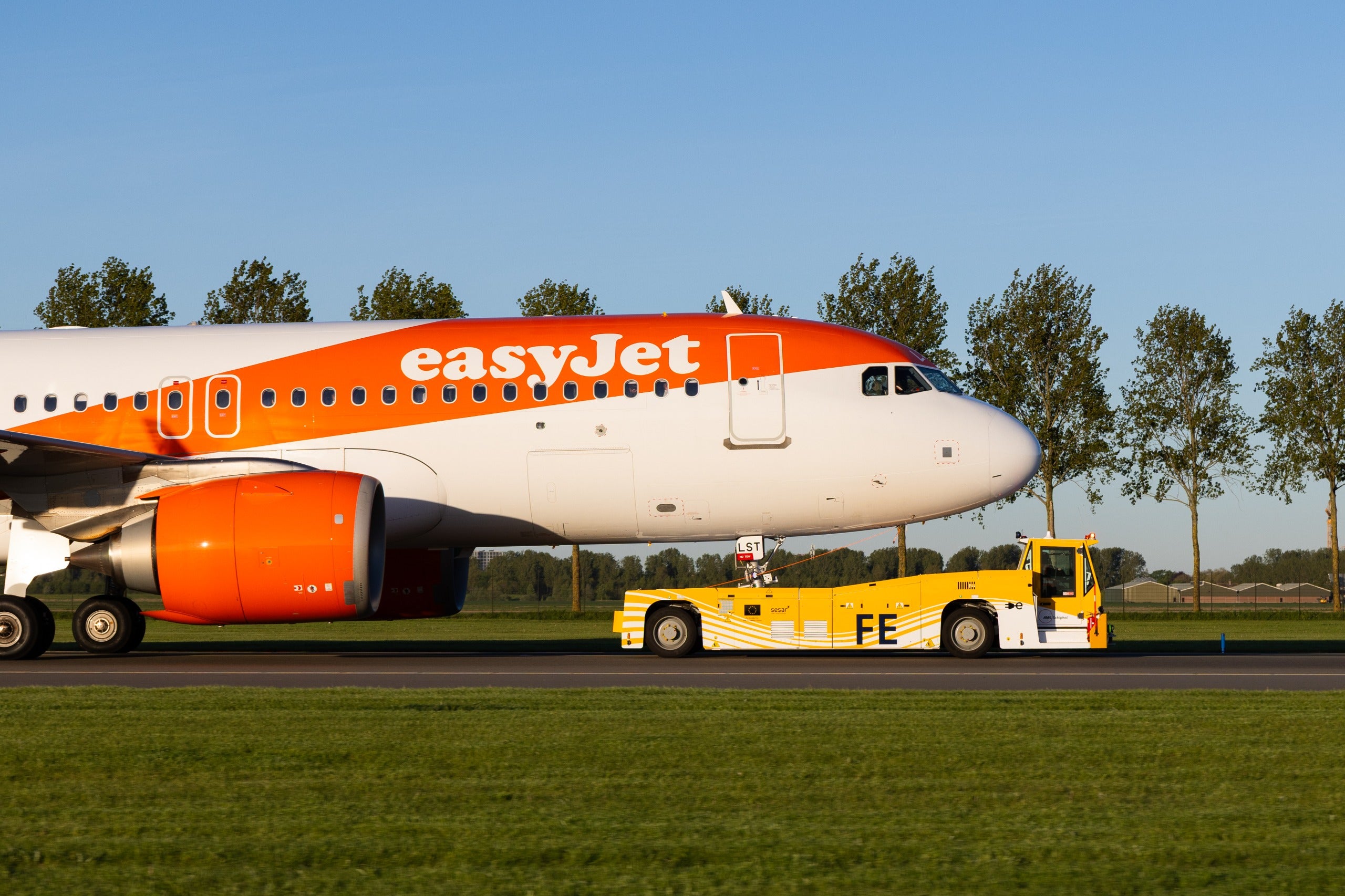
Aircraft-taxiing vehicle controlled by the pilot with the plane’s main engines off from the gate to the engine start-up position near the runway.
The TaxiBot® (Taxiing Robot) is a unique, proven solution and currently the only certified sustainable taxiing solution available today. It is ready to bring both ecological and economic ground operation savings to airlines and airports.
Without an ENG OFF solution, aircraft taxi with their engines running, consume up to 600kg of fuel per hour. This generates high costs for airlines, as well as high CO₂ emissions and noise pollution.
Thanks to ENG OFF solutions like the TaxiBot®, CO₂ emissions during taxiing can be reduced by up to 78%. This is a major step forward for more sustainable aviation, without compromising operational efficiency.
APU OFF
This solution replaces the APU during turnaround by providing pre-conditioned air and electrical power.
PCA
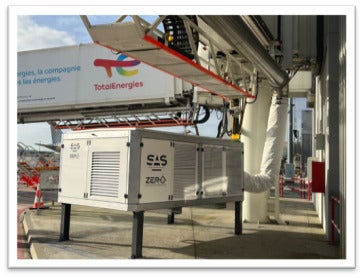
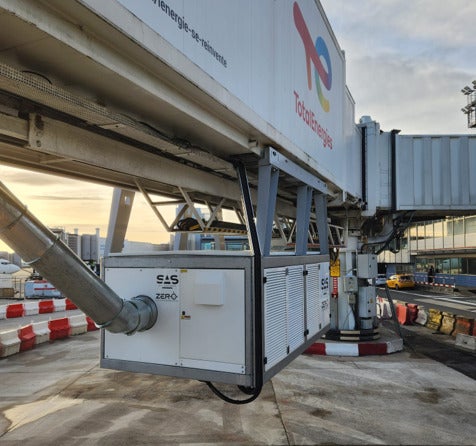
An efficient and reliable alternative to APU delivers pre-conditioned air efficiently at the gate, reducing fuel burn, CO₂ emissions, and overall APU usage during aircraft turnaround.
It provides clean, ground-based air conditioning to replace aircraft APUs, significantly reducing fuel consumption and CO₂ emissions during ground operations.
The solution delivers consistent cooling performance in continental, tropical, and desert environments, and it is adaptable to all aircraft types.
Fixed Electrical Ground Power Units (FEGP – 400Hz)
Our Fixed Electrical Ground Power Units type PV-90-4 is the fourth-generation electrical ground power unit. Its pluggable design allows fast on-site replacement to reduce downtime with more than 95% efficiency and 30% less space than previous models.
Even when stationary, aircraft continue to burn fuel through their auxiliary power units (APUs), generating noise and harmful emissions.
Our solutions can reduce up to 69% of CO₂ emissions from stationary aircraft. By replacing on-board Auxiliary Power Units (APUs) with cleaner ground alternatives, we significantly lower fuel consumption and environmental impact.
SAS achievements
Since 2019, SAS has contributed to saving over 1.7 million tons of CO₂ through innovative ground support solutions deployed at airports worldwide in collaboration with dedicated airlines in the journey to Zero Ground Emissions.
Our objectives for 2050
We recognise a shared responsibility to protect our planet. As such, reducing our environmental footprint and contributing to sustainability initiatives for the aviation industry through our products and services are among our key objectives.
We are committed to promoting the circular economy whenever practical, whilst using sustainable resources and sourcing responsibly.
About SAS
Smart Airport Systems (SAS) was created to accelerate the decarbonisation of airport ground operations, building on solutions like electric taxiing and APU-off services developed in close collaboration with airlines and airports.
As part of the Alvest Group, SAS benefits from a global industrial leader in ground support equipment, giving it strong engineering capabilities, worldwide deployment capacity, and deep relationships with airlines.
Within this ecosystem, SAS represents the group’s sustainable arm, focusing specifically on reducing emissions, fuel burn, and noise through innovative, low-carbon ground solutions.